1. Introduction
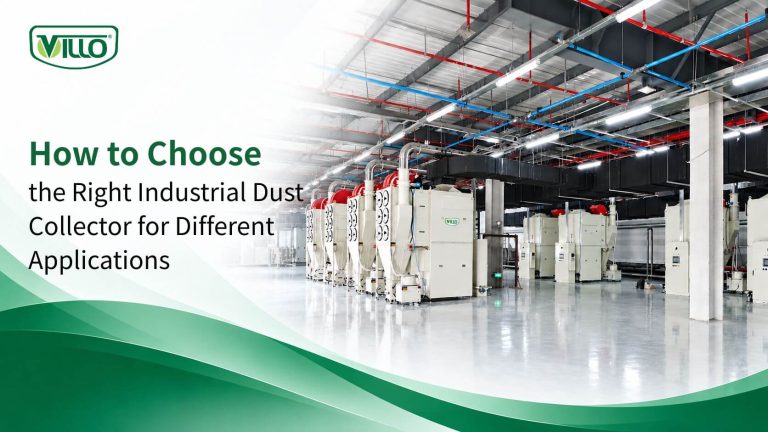
Choosing the right industrial dust collector starts with understanding the process that generates the dust. Different operations produce different types of dust, particles, and fumes, and each may require a different collection approach. For example, metal grinding can generate both coarse debris and fine particles, while pharmaceutical and food production often involve handling fine powders during processing and transfer.
The most suitable solution depends on more than the industry or the equipment name. The production process, material characteristics, collection points, operating conditions, and installation layout all influence the selection. Depending on the application, the required solution may be a standalone dust collector, a central dust collection system, an industrial vacuum cleaner, or powder handling equipment integrated with dust extraction.
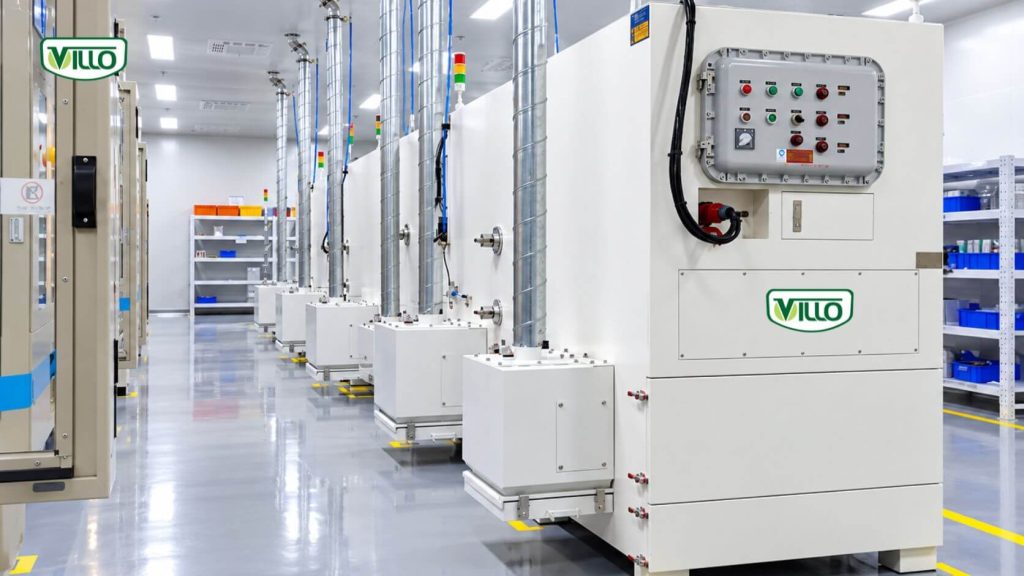
This post introduces common dust collection requirements in metalworking, pharmaceutical manufacturing, food processing, woodworking, and lithium battery production. It also outlines VILLO equipment options and the main factors to consider when comparing solutions, helping you develop a clearer starting point for your application.
2. How to Choose the Right Industrial Dust Collector
A practical selection process starts with the production task. Identify the machines or operations that generate dust, where emissions are released, and whether collection is needed at one workstation or at several points across the facility. This establishes the scope of the dust collection project.
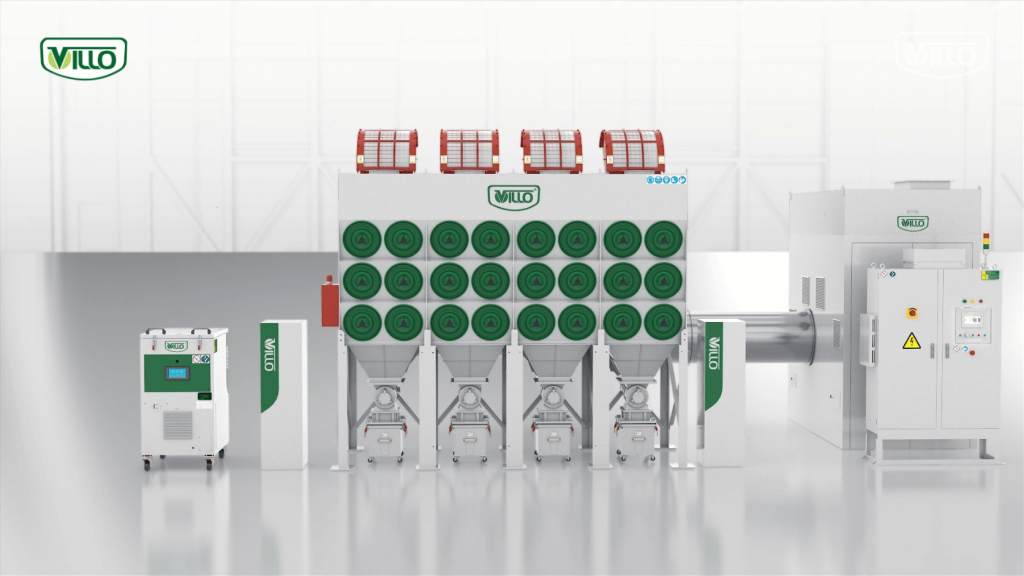
Next, determine the general equipment arrangement to evaluate. An individual dust collector may be considered for a single machine or workstation, while a central dust collection system may be appropriate for multiple collection points. Processes involving material transfer or powder feeding may also require dedicated powder handling equipment.
Finally, gather the basic information needed for a technical review, such as the production layout, number of collection points, operating schedule, and available installation space. This information helps the supplier understand the application and identify which solution options should be assessed.
Once the general approach is clear, the industry examples below show how different production processes shape dust collection requirements.
3. Industrial Dust Collection Solutions for Different Industries
Industrial dust collection requirements vary according to the materials processed and the production methods used. Looking at the actual operation within each industry helps explain why equipment selection should be based on application requirements rather than industry labels alone.
3.1 Industrial Dust Collection for Metalworking
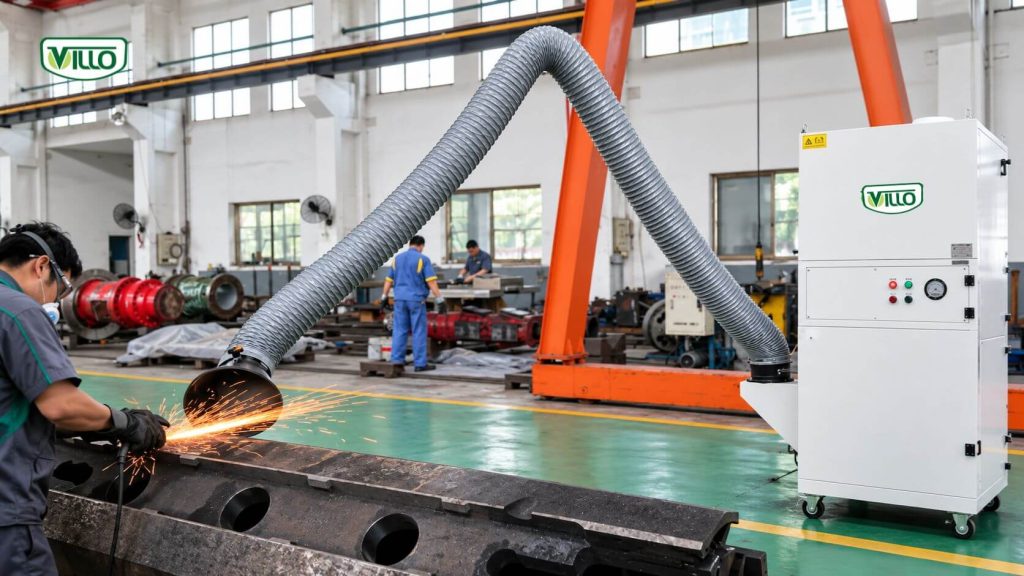
Metalworking processes such as grinding, polishing, cutting, and welding generate metal particles, abrasive debris, or fumes. The emissions vary by process: grinding may produce both coarse debris and fine particles, while welding generates fine fumes that require appropriate extraction and filtration.
Dust collection equipment should be selected according to the type of emission, the metal being processed, and the production conditions. Extraction close to the source can help capture particles before they spread through the workspace. For larger workshops, a centralized system may serve multiple machines, while individual workstations may require dedicated collectors. Certain metal dusts can also present fire or explosion hazards, making material-specific risk assessment important before the equipment is specified.
3.2 Dust Collection Systems for Pharmaceutical Manufacturing
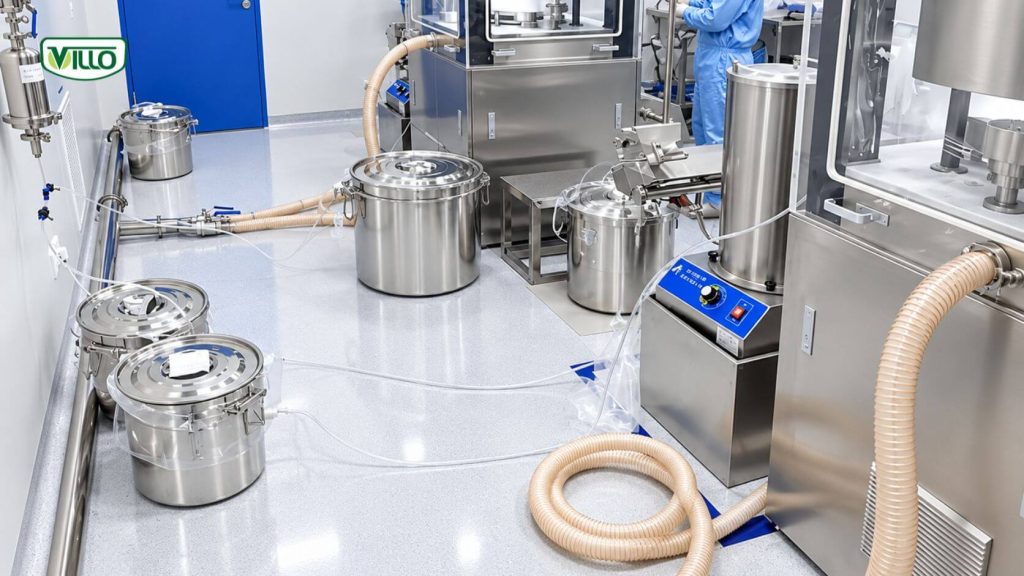
Pharmaceutical production involves powder handling during weighing, dispensing, mixing, granulation, and packaging. Fine particles may be released when ingredients are poured or transferred between containers, creating challenges for workplace cleanliness and product quality.
Dust collection equipment may need to support effective containment, easy cleaning, and cross-contamination control, particularly where different products are processed in the same facility. The required design depends on the material, handling method, and applicable production requirements. For operations involving frequent powder transfer, dust extraction may be integrated with feeding or conveying equipment to control emissions where materials enter or leave the process.
3.3 Industrial Dust Collection for Food Processing
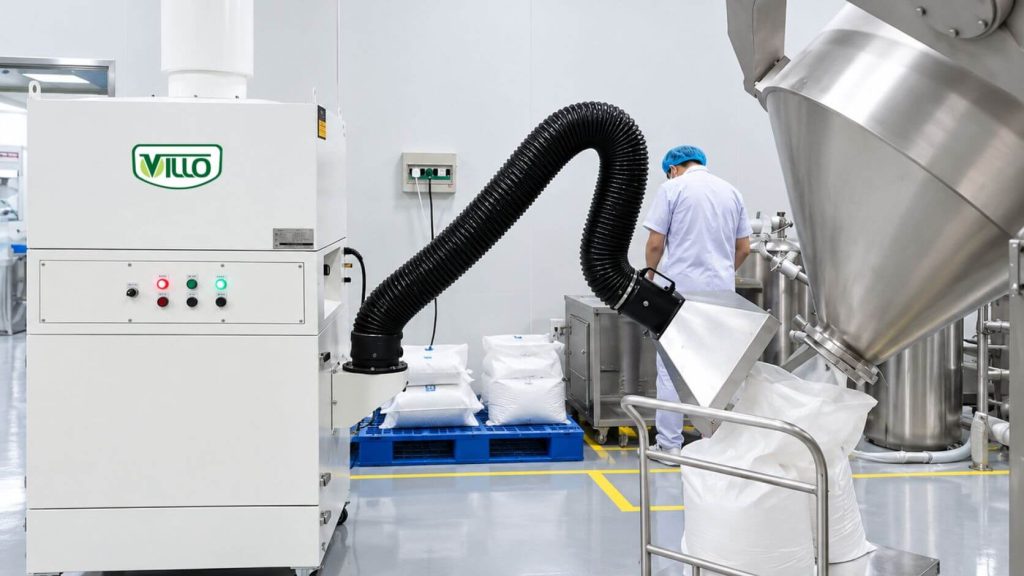
Food processing operations such as flour milling, ingredient mixing, conveying, and packaging can release dust from flour, starch, sugar, and other powdered ingredients. Dust may accumulate around transfer points and processing machinery, so collection systems should support effective extraction and routine cleaning.
Hygiene is a key consideration when selecting equipment for food production. Construction materials, accessible surfaces, filter maintenance, and dust discharge arrangements should be compatible with the facility's cleaning procedures. Fine food powders can also be combustible under certain conditions. Where this hazard exists, the system design must account for the assessed fire and explosion risks rather than relying on dust collection alone.
3.4 Wood Dust Collection Systems for Woodworking
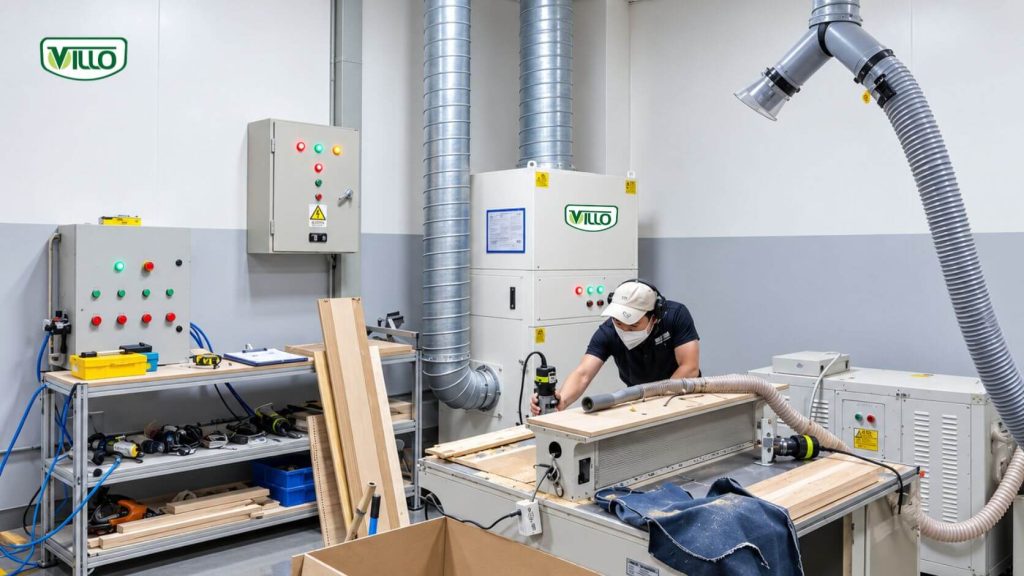
Woodworking operations, including sawing, sanding, milling, and drilling, generate a mixture of chips, shavings, and fine wood dust. Larger waste particles can place different demands on collection equipment than the fine dust produced during sanding, so the system must be suitable for the waste generated by the specific machinery.
In workshops with several machines, a centralized dust collection system may reduce the need for separate collectors, provided the ductwork and airflow are designed for the expected operating conditions. Smaller or more localized operations may be served by individual units. Wood dust can also present fire and explosion hazards, particularly where fine particles accumulate, so appropriate collection, housekeeping, and risk-based protective measures are important.
3.5 Dust Collection Systems for Lithium Battery Manufacturing
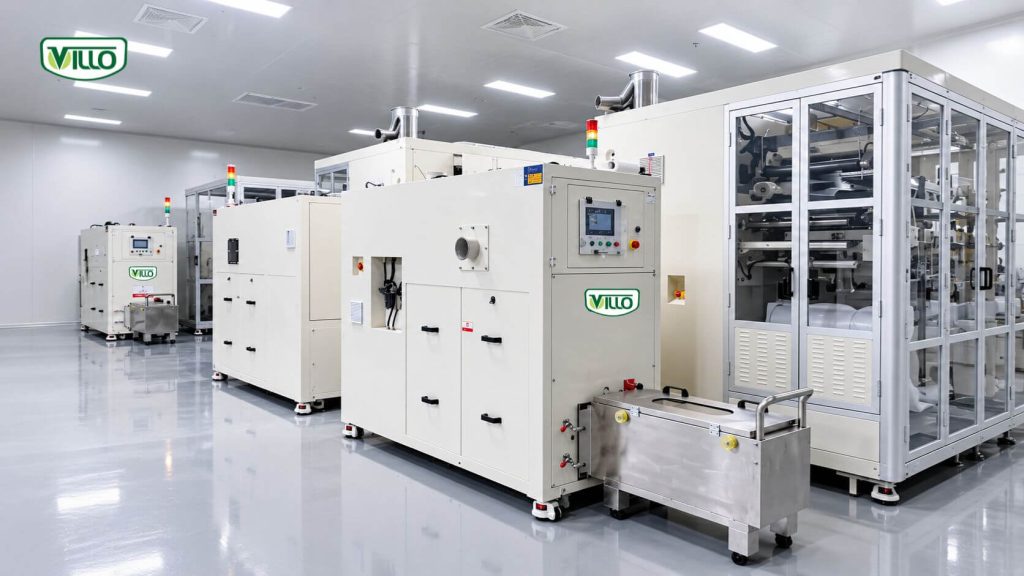
Lithium battery manufacturing involves handling fine powders during material feeding, weighing, mixing, and transfer. Uncontrolled emissions can lead to material loss, contamination of surrounding equipment, and reduced cleanliness in sensitive production areas.
Dust collection may be integrated with powder feeding and conveying systems or positioned at specific transfer points. However, battery materials vary considerably in their physical and chemical properties. Their potential hazards, compatibility requirements, and handling conditions should therefore be evaluated individually. The appropriate collection and protective measures depend on the actual material and process, rather than on the battery industry alone.
4. VILLO Equipment Recommendations for Different Industries
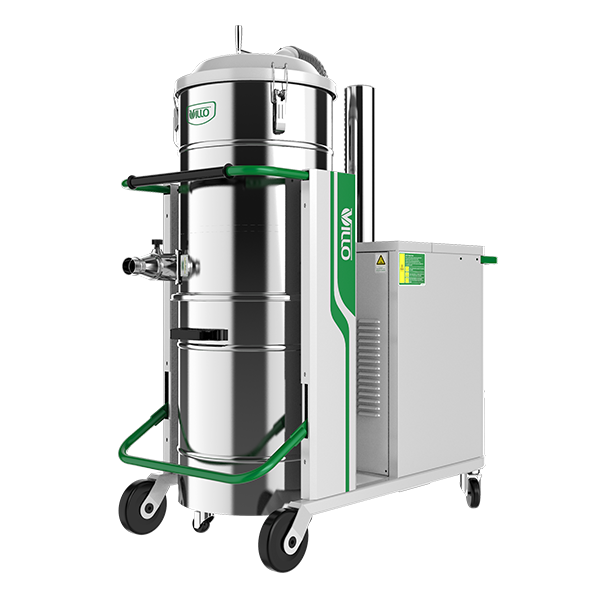
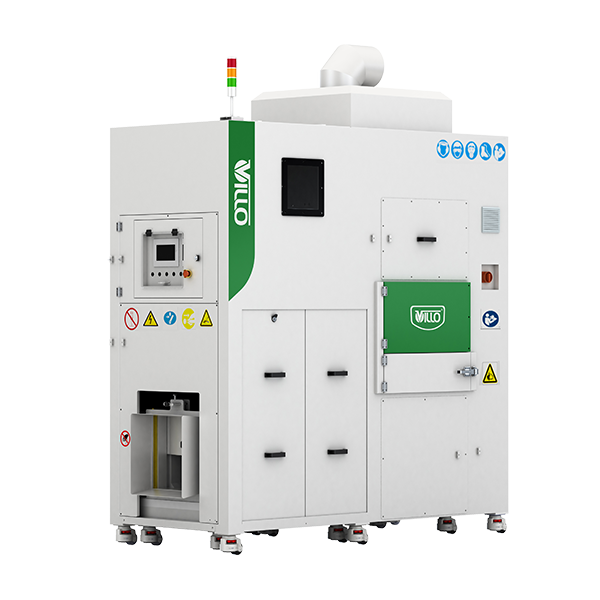
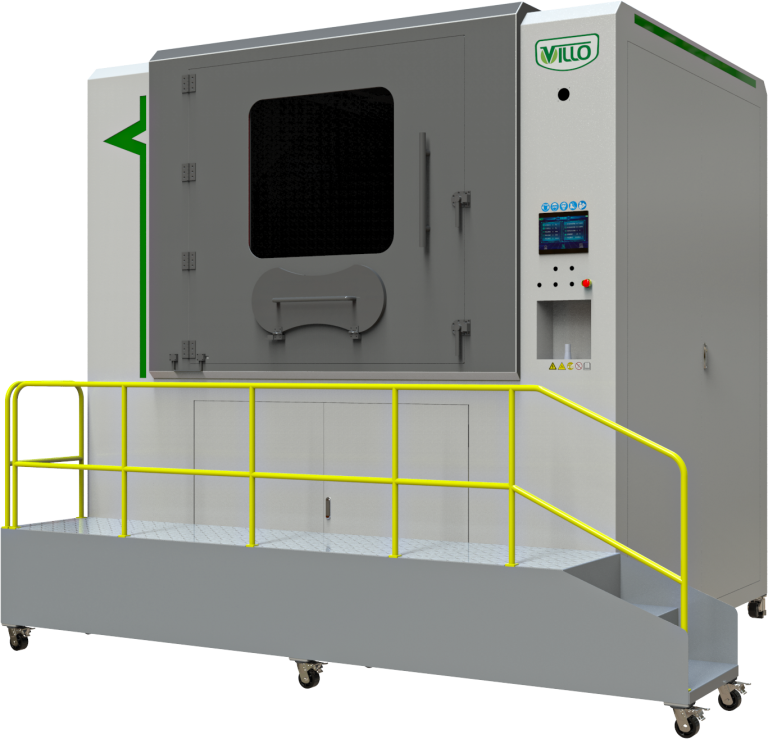
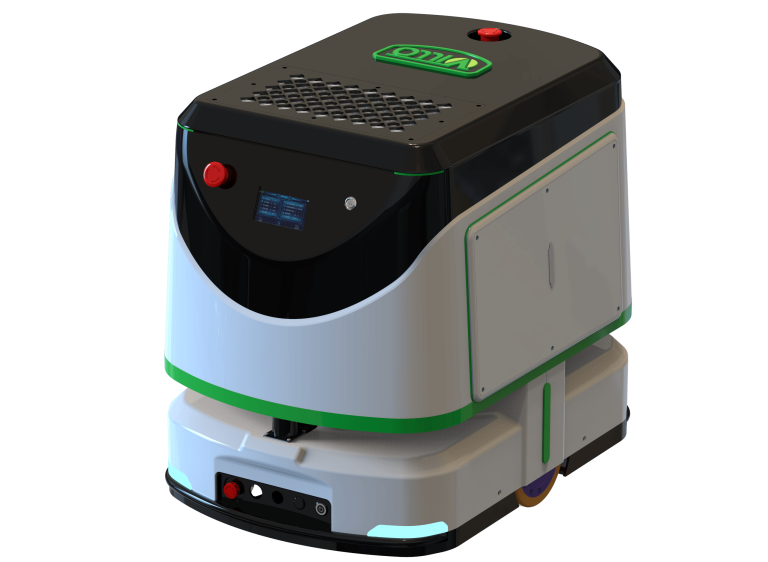
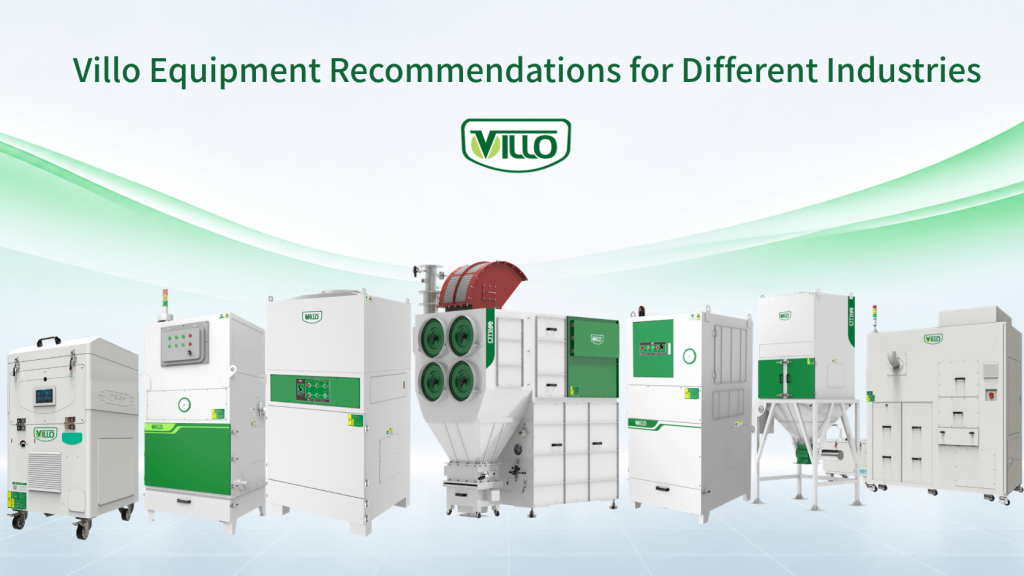
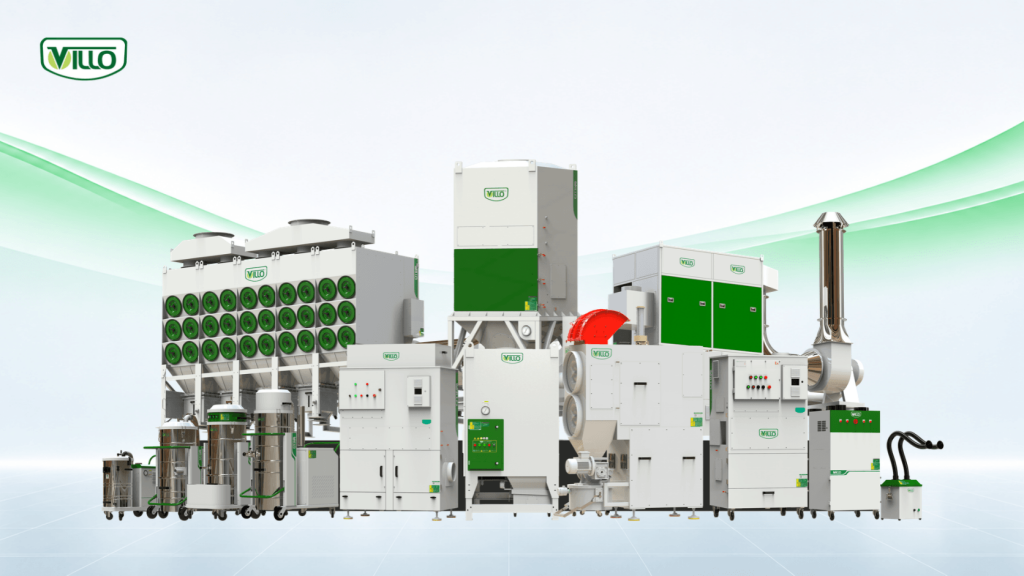
Different production processes require different dust collection and powder handling equipment. Based on application requirements, VILLO offers a range of equipment that may be considered for industries such as metalworking, pharmaceutical manufacturing, food processing, woodworking, and lithium battery production.
The model list below is an initial reference for discussion, not a fixed industry-to-model specification. A model listed for an industry may only be suitable for certain materials, processes, and operating conditions. Final selection should be confirmed through an application review.
4.1 Recommended Models by Industry
| Industry | VILLO Models for Initial Consideration |
|---|---|
| Metalworking | VJFGB-W, VJFG |
| Pharmaceutical Manufacturing | VJFGB-W |
| Food Processing | VJFGB-W, VJF, VJFB, VJFG |
| Woodworking | VJFX |
| Lithium Battery and New Energy | VCY, VJFGB-W, VL-PFQ |
4.2 Featured Industrial Dust Collectors
VJF Series – Pulse Jet Dust Collector
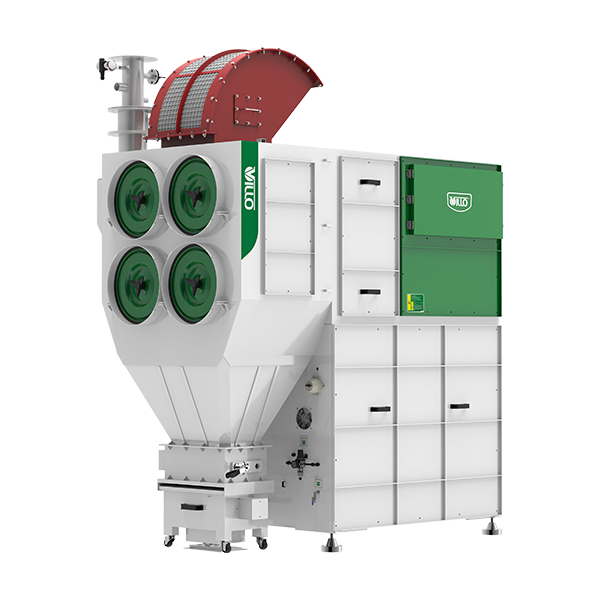
The VJF Series is a pulse jet dust collector for industrial dust collection applications. Its filter-cleaning arrangement removes accumulated dust from the filter media. The appropriate configuration should be selected according to the dust load, required airflow, and process conditions.
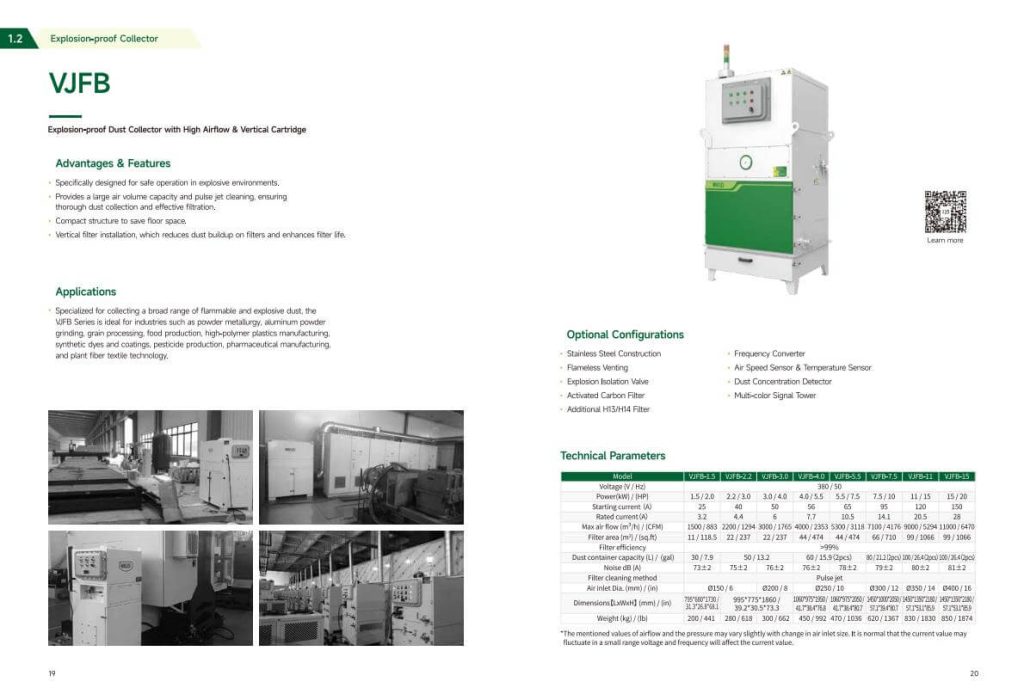
VJFB Series – Explosion-Proof Industrial Dust Collector
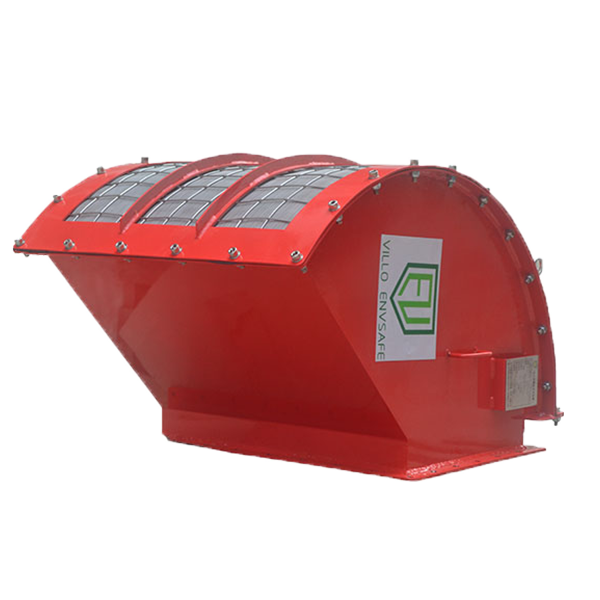
The VJFB Series is an explosion-proof industrial dust collector intended for applications involving combustible dust. It may be considered where dust collection needs to be evaluated together with the relevant fire and explosion hazards. The required protective configuration must be determined from the material properties, process conditions, and risk assessment.
VJFG Series – Medium-High Pressure Dust Collector
The VJFG Series is a medium-high pressure dust collector for applications that require higher suction pressure. It may be considered for dust-generating processes where the extraction arrangement and system resistance call for this type of equipment. Final selection should be based on the required airflow and pressure at the collection point.
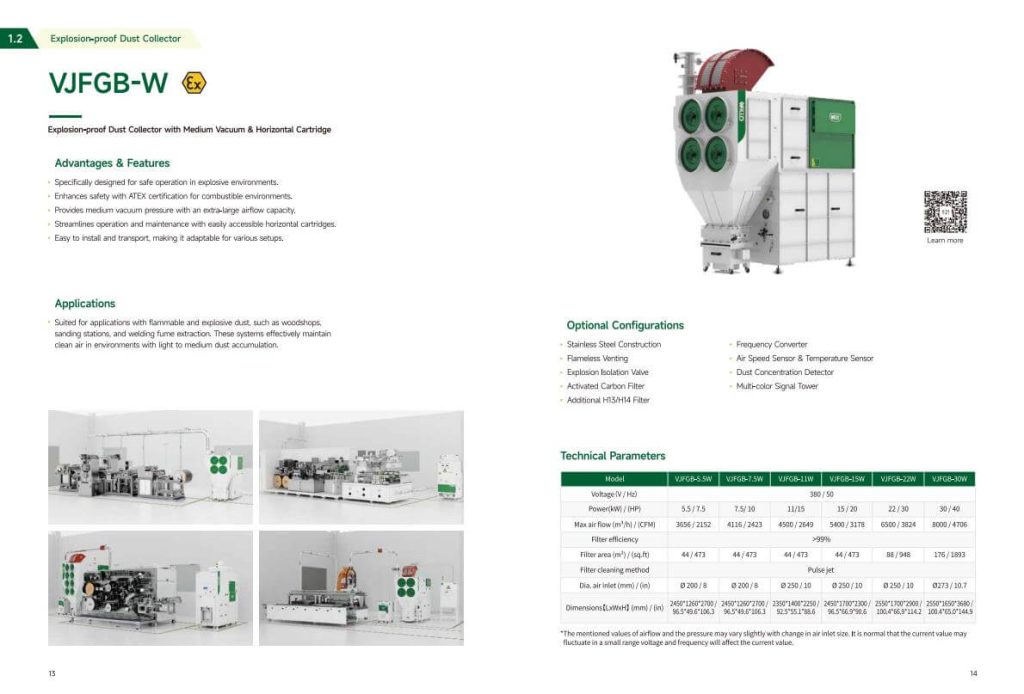
VJFGB-W Series – Explosion-Proof Dust Collector with Medium Vacuum and Horizontal Cartridge
The VJFGB-W Series is an explosion-proof dust collector designed for applications involving combustible dust. It features medium vacuum pressure and a horizontal cartridge filter arrangement. Applications identified for this series include sanding, wood chip cleaning, and edge banding. The actual equipment configuration should be confirmed against the material characteristics, installation conditions, and applicable safety requirements.
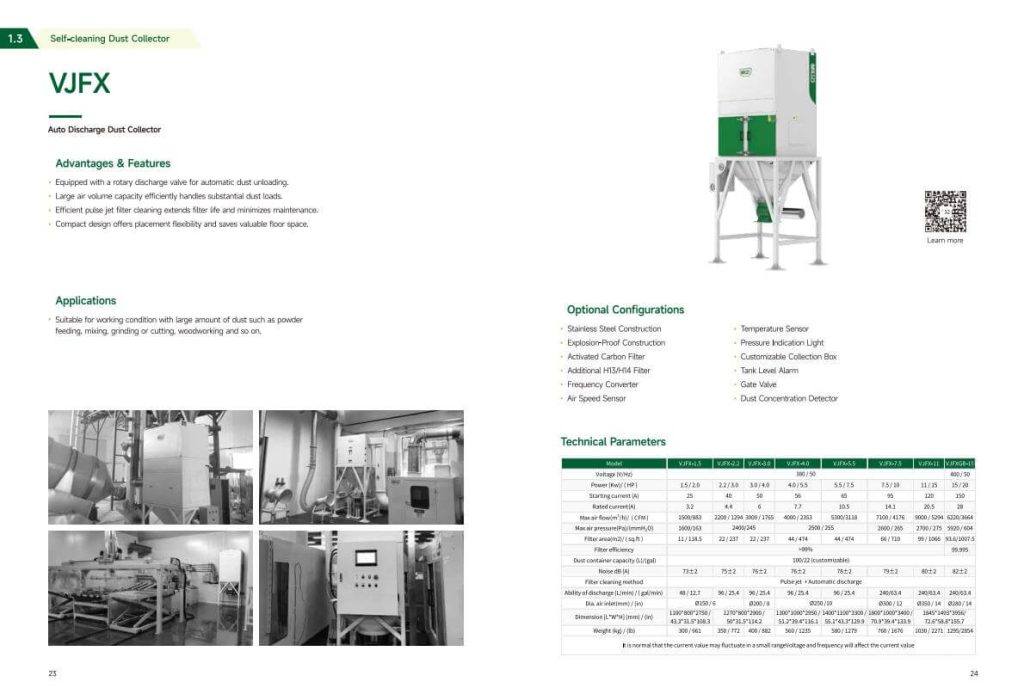
VJFX Series – Automatic Dust Discharge Collector
The VJFX Series is an industrial dust collector with an automatic dust discharge arrangement. It may be considered for processes where collected dust needs to be removed regularly and manual handling should be reduced. The discharge method and system arrangement should be matched to the characteristics and quantity of the collected material.
4.3 Powder Handling Equipment for Battery Manufacturing
Dust collection is only one part of powder management in lithium battery production. Processes such as material feeding, transfer, and handling may also require dedicated powder handling equipment to control material movement and reduce dust emissions.
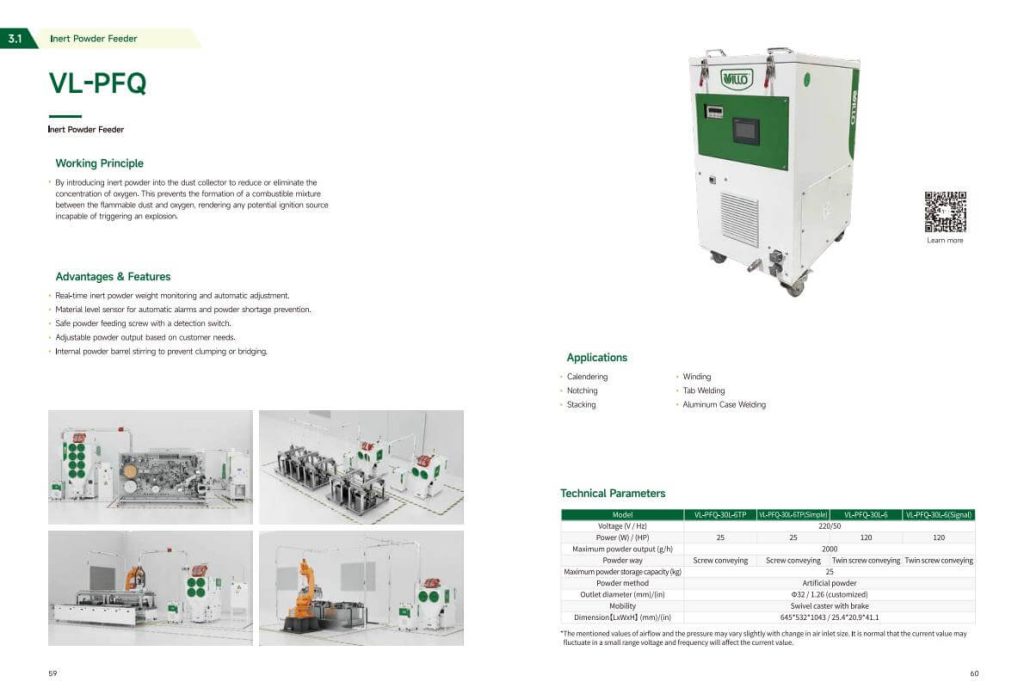
VILLO's product range includes the VCY Series and VL-PFQ, which may be considered as part of a broader powder handling arrangement. The appropriate equipment depends on the material properties, handling method, production capacity, and potential hazards involved. Dust collection and powder handling equipment should be evaluated together where they form part of the same production process.
5. Key Factors to Consider When Selecting an Industrial Dust Collector
After the general equipment arrangement has been identified, the proposed solution must be checked against the technical conditions of the actual process. This stage looks beyond the equipment category and examines the factors that determine whether a system can capture, convey, filter, and safely handle the dust generated.
The following technical factors should be reviewed during equipment selection and system design. Their relative importance varies by material, process, and site conditions, so the final specification should be confirmed through application assessment and engineering.
5.1 Dust Characteristics and Concentration
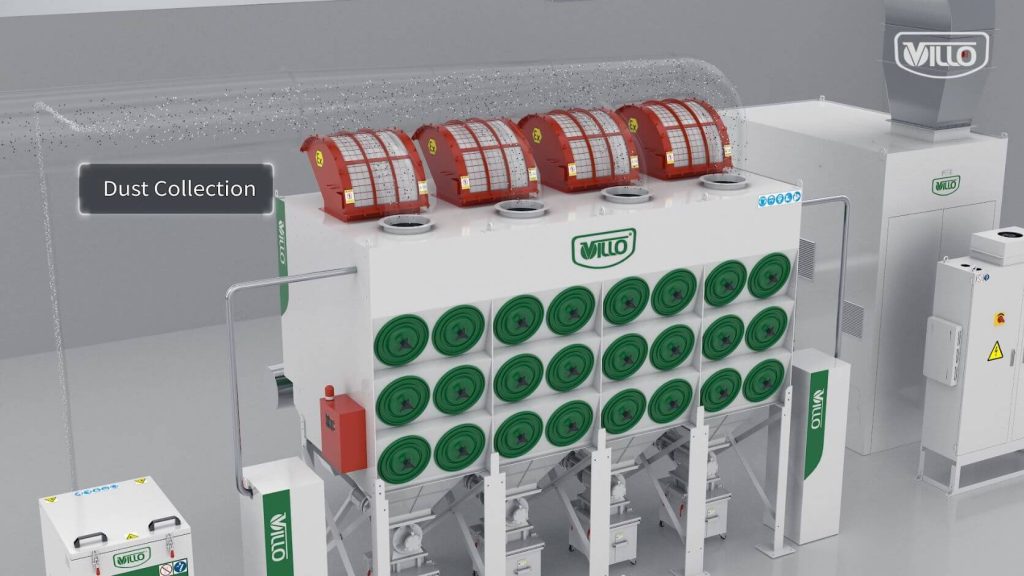
Start with the material being collected. Particle size, density, abrasiveness, moisture content, and stickiness can influence how dust behaves inside a collection system and which filtration approach may be suitable. The amount of dust generated and whether it is released continuously or intermittently are also important.
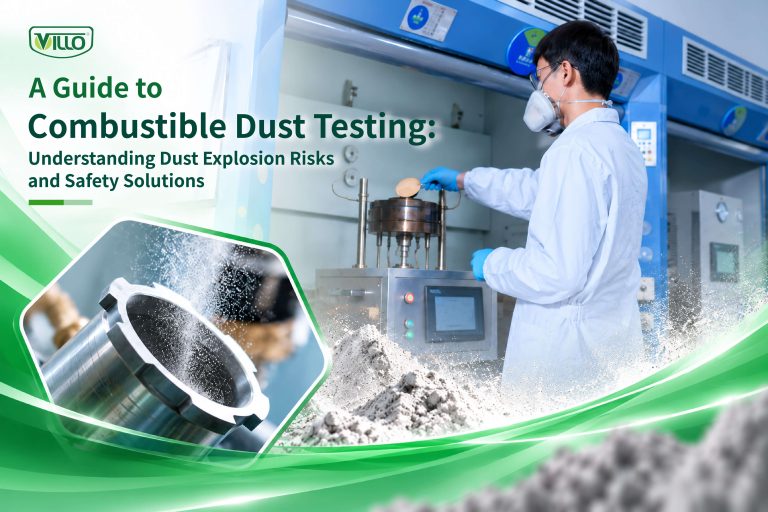
Where material properties are unknown or difficult to assess, relevant technical data or laboratory testing may be needed before the equipment is specified.
For more information, read our guide, A Guide to Combustible Dust Testing: Understanding Dust Explosion Risks and Safety Solutions, to learn more about dust testing methods and how they help assess potential explosion hazards.
5.2 Required Airflow and Collection Point Design
Airflow affects whether dust can be captured effectively. The required airflow depends on the collection method, the design and position of the extraction point, how contaminants are released, and the distance between the source and the capture opening.
A fan's nominal airflow rating alone does not establish whether the system will perform adequately. Duct layout, system resistance, and the number of collection points operating at the same time can all affect performance. The system should therefore be evaluated as a whole rather than by comparing fan ratings alone.
Application Example: Why Similar Processes May Require Different Airflow Configurations
Consider two factories using grinding machines to process the same type of metal. Although the material and dust characteristics are similar, their dust collection requirements may differ.
One machine may have an enclosed grinding area with a direct extraction connection, allowing dust to be captured close to the generation point. The other may use an open workstation that requires an external extraction hood or movable extraction arm to capture airborne dust.
The differences in enclosure design, hood configuration, capture distance, and duct arrangement can affect the airflow required to achieve effective dust capture and transportation. As a result, the two systems may require different airflow configurations.
5.3 Filtration Efficiency and Filter Selection
The filtration system must be suitable for the particles being collected and the required level of air cleanliness. Filter selection may be influenced by particle characteristics, operating temperature, moisture, chemical compatibility, and any relevant requirements for the treated air.
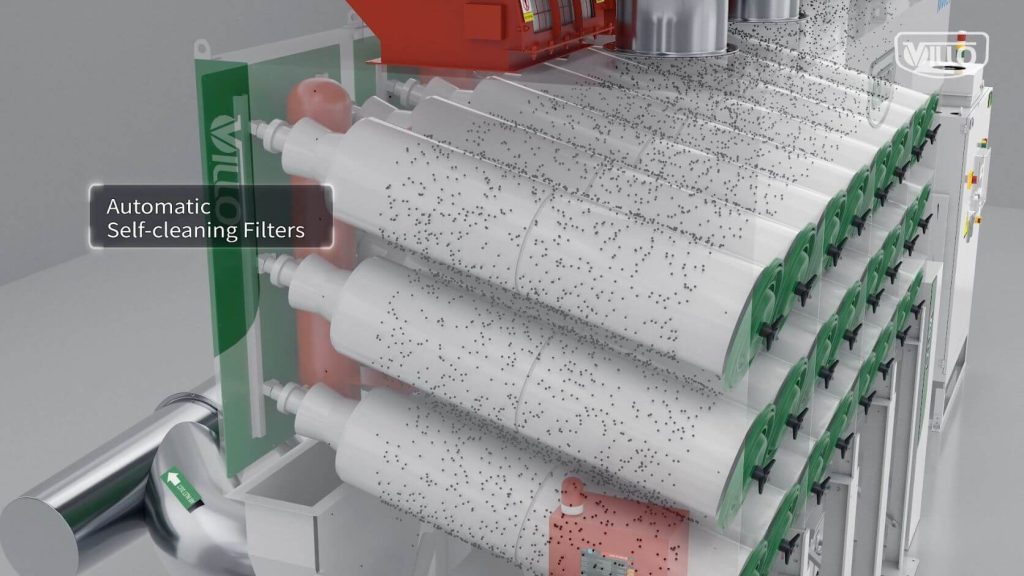
It is also important to consider how the filter performs during operation. Dust accumulation can increase airflow resistance, while the cleaning method and dust-release characteristics influence operation and maintenance. The complete filtration arrangement should match the material and expected working conditions.
5.4 Operating Conditions and Installation Layout
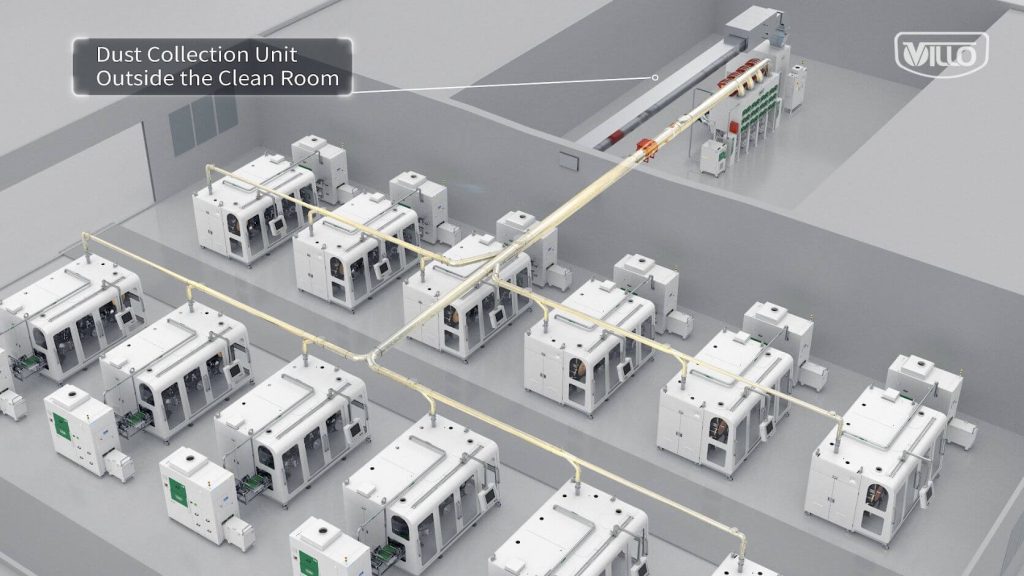
Relevant operating conditions may include air temperature, humidity, moisture in the process stream, chemical exposure, and fluctuations in production demand. These factors can influence equipment materials, filter media, and the suitability of a particular collection approach.
Installation constraints also matter. Available floor space, ceiling height, duct routing, power supply, access for filter replacement, and the location of dust discharge points can all affect the final arrangement. Expected operating hours, start-stop cycles, and possible production changes should also be considered.
5.5 Dust Discharge, Cleaning, and Maintenance
Collected dust must be handled safely and practically. Depending on the application, it may be discharged manually into a container or removed through a more integrated arrangement. The appropriate method depends on the quantity of dust, the production process, material handling requirements, and any containment or hygiene considerations.
Filter cleaning, maintenance access, replacement filter availability, and routine servicing requirements should also be reviewed. A suitable system should not only meet the initial collection requirements but also be practical to operate and maintain over its service life.
5.6 Fire, Explosion, and Compliance Requirements
Some industrial dusts can present fire or explosion hazards under particular conditions. The risk depends on factors such as material properties, particle characteristics, dust concentration, potential ignition sources, and the design of the collection system. Different materials should not automatically be treated as having the same level of risk; assessment must be specific to the material and process.
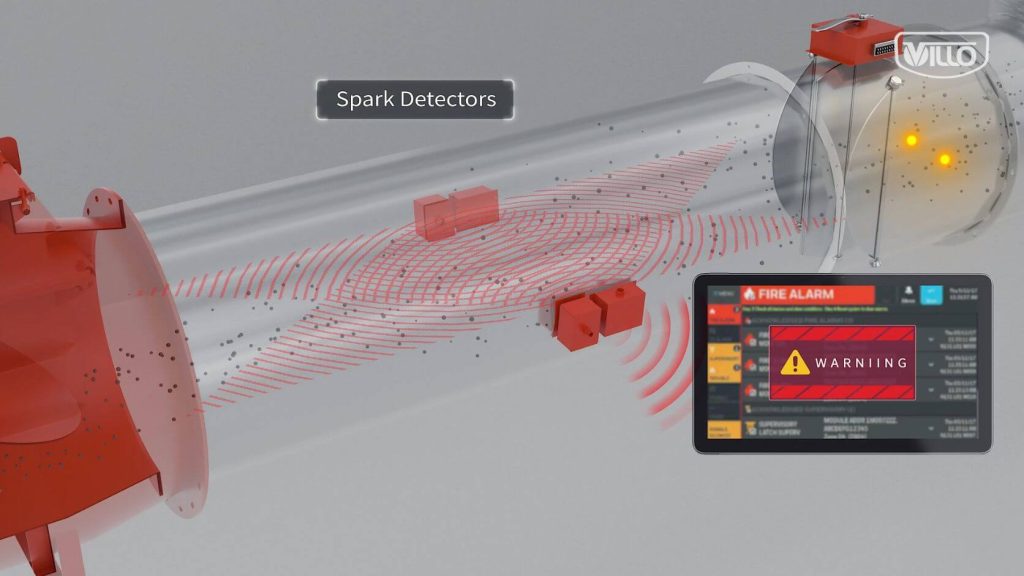
Where a potential hazard is identified, the system may require measures such as ignition prevention, suitable explosion protection, or isolation between connected equipment. The appropriate measures depend on the risk assessment, installation environment, and applicable regulations.
6. Conclusion
Choosing the right industrial dust collector starts with understanding the production process, the material being handled, and the way dust is generated. Industry examples and product categories can help narrow down the options, but the final equipment selection must be based on the actual operating conditions and application requirements.
VILLO provides industrial dust collection, powder handling, and explosion protection solutions for different industries.
If you are evaluating a dust collection solution for your production process, contact our team to discuss your application and explore suitable equipment options.
Thank you for reading, and we hope you found this guide helpful!
FAQs
Q1. What Is the Difference Between a Standalone Dust Collector and a Central Dust Collection System?
A standalone unit is generally arranged to serve an individual machine or workstation. A central system uses ductwork to connect several collection points to a shared collection unit. The appropriate arrangement depends on the number and location of collection points, operating patterns, facility layout, and the system design.
Q2. Can One Dust Collector Serve Multiple Production Machines?
Yes. A properly designed central dust collection system can serve multiple machines. The design needs to account for which machines may operate at the same time, the capture requirements at each point, duct routing, airflow distribution, and system resistance. The number of machines alone is not enough to determine the required capacity.
Q3. How Do I Know What Airflow My Dust Collection System Needs?
Required airflow depends on the collection hood or enclosure, the way dust is released, the dimensions and position of each collection point, and how many points operate simultaneously. Duct length, fittings, and system resistance also affect performance. A system designer should calculate the airflow based on the actual process and layout.
Q4. Does Dust Type Affect Filter Selection?
Yes. Particle size, moisture, temperature, abrasiveness, stickiness, chemical properties, and dust loading can all influence filter media and the cleaning method. Filter selection should therefore be based on the material and operating conditions rather than on the industry name alone.
Q5. How Often Should Industrial Dust Collector Filters Be Replaced?
There is no universal replacement interval. Filter life depends on the dust being collected, operating hours, cleaning performance, and working conditions. Follow the equipment manufacturer's maintenance guidance and monitor filter condition and system performance to determine when replacement is needed.
Q6. Can an Industrial Dust Collector Be Integrated into an Existing Production Line?
In many cases, yes. Integration requires checking available space, collection points, duct routing, airflow requirements, power and control interfaces, and the production line's operating conditions. A site and process review is recommended before confirming the system configuration.
Q7. Can an Industrial Dust Collector Run Continuously?
That depends on the equipment design and its specified duty cycle, as well as the dust load, operating temperature, and filter-cleaning arrangement. Do not assume that every model is suitable for continuous operation; confirm the intended operating conditions with the manufacturer.
Q8. Is a Standard Dust Collector Suitable for Combustible Dust?
Not necessarily. Combustible dust requires a material- and process-specific hazard assessment. Depending on the identified risks and applicable requirements, the system may need ignition prevention, explosion protection, and isolation measures. The safety of the complete dust collection system should be evaluated, not just the collector itself.
Villo Official