1. Introduction
If you are planning to purchase an industrial dust collector, you may already have several questions in mind. Which type of equipment is right for your production process? How much airflow do you need? What filtration efficiency should you look for? And how can you make sure the manufacturer you choose has the technical capabilities to meet your requirements?
These questions are worth considering because different industrial applications come with different dust collection challenges. For example, metalworking operations may involve abrasive dust and potential ignition sources, while pharmaceutical and food processing facilities often have additional requirements for filtration, material compatibility, and equipment cleaning. Understanding these differences is an important first step in finding suitable dust collection equipment.
But choosing the right equipment is only part of the process. You also need to consider the manufacturer's production capabilities, product quality, customization options, relevant certifications, delivery arrangements, and after-sales technical support. These factors can all influence how well the equipment performs and how effectively it meets your long-term operational needs.
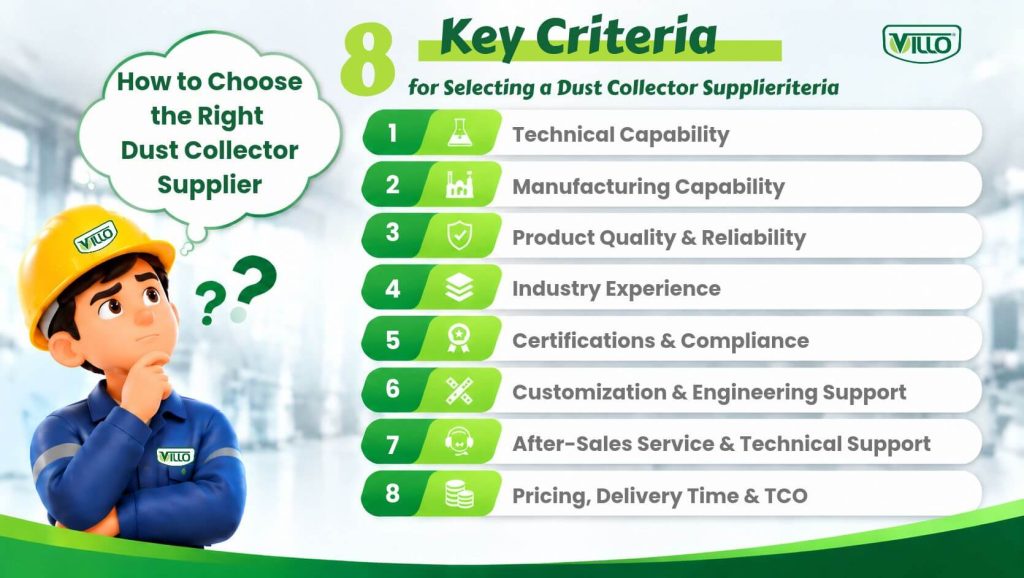
So, what should you look for when selecting an industrial dust collector manufacturer? In this post, we will walk you through the key factors to consider, from understanding your application requirements and evaluating technical capabilities to checking manufacturing quality and after-sales support. We hope this post is helpful.
2. Understand Your Industrial Dust Collection Requirements Before Choosing a Manufacturer
Before choosing an industrial dust collector manufacturer, it is important to understand the specific requirements of your production process. Different industries and manufacturing operations generate different types of dust, and these differences can directly affect the design, configuration, and performance of a dust collection system.
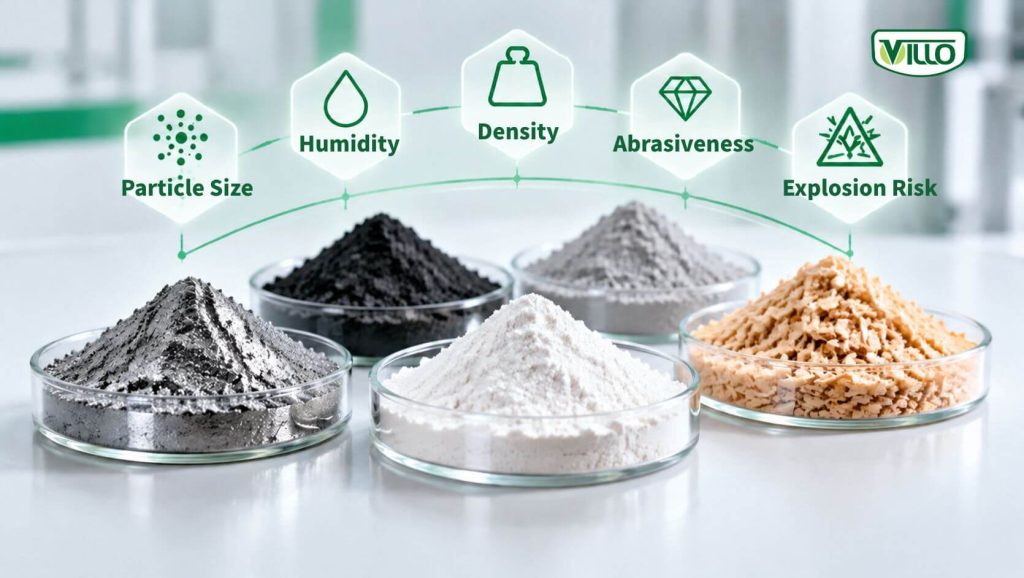
For example, metal grinding may produce fine, abrasive particles, while food processing and pharmaceutical manufacturing often involve fine powders with specific hygiene and contamination control requirements. Some materials may also present fire or explosion hazards that require additional safety considerations.
To make a more informed purchasing decision, start by evaluating three key aspects: dust characteristics, airflow and filtration requirements, and the operating conditions at your facility.
2.1 Identify the Type of Dust and Material
The first step is to identify the type of dust generated during your production process. Different materials have different physical and chemical properties, which can influence how the dust should be collected, filtered, and handled.
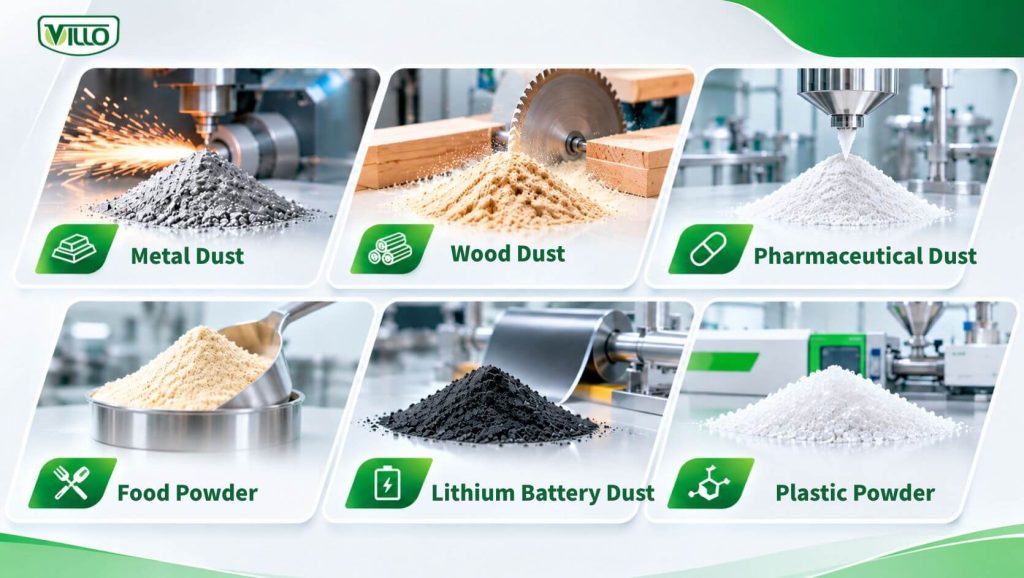
Common industrial dust types include:
| Dust Type | Common Applications | Key Considerations |
|---|---|---|
| Metal Dust | Grinding, cutting, polishing | Particle size, abrasiveness, sparks, and fire risks |
| Wood Dust | Sanding, sawing, furniture manufacturing | Dust volume, particle characteristics, and combustible dust risks |
| Pharmaceutical Dust | Mixing, weighing, tablet production | Fine particle capture, hygiene, and material compatibility |
| Food Powder | Mixing, conveying, packaging | Powder recovery, contamination control, and cleanability |
| Lithium Battery Dust | Mixing, coating, electrode processing | Material properties, dust hazards, and explosion protection requirements |
| Plastic Powder | Grinding, processing, conveying | Particle characteristics, static electricity, and combustible dust risks |
Identifying the material is only the starting point. You should also consider its particle size, moisture content, density, and abrasiveness, as these properties can affect filtration performance and equipment selection.
For instance, fine particles may remain suspended in the air for longer periods, while damp or sticky dust can accumulate on filter surfaces and interfere with airflow. Highly abrasive materials may also require more durable equipment components to reduce wear during operation.
Another important consideration is whether the collected material is combustible. Certain types of metal, wood, plastic, food, and chemical dust can present fire or explosion hazards under specific conditions. These risks should not be assumed based on the industry or material name alone. Where necessary, appropriate dust testing and a dust hazard assessment should be carried out before selecting collection and explosion protection equipment.
Providing the manufacturer with accurate information about the material composition and production process helps its technical team evaluate suitable filtration methods, equipment configurations, and safety measures.
2.2 Define Airflow and Filtration Requirements
After identifying the dust characteristics, the next step is to determine how much air needs to be collected and what filtration performance is required.
Airflow capacity refers to the volume of air a dust collector can handle within a specific period. It is commonly measured in cubic meters per hour (m³/h) or cubic feet per minute (CFM). The required airflow depends on factors such as the number of dust-generating points, the type of production equipment, and the design of the extraction hoods used to capture dust at its source.
Static pressure is another important parameter in dust collection system design. It refers to the pressure required to overcome resistance within the system, including resistance from filters, ductwork, and other components. In practical terms, it indicates how much resistance the fan needs to overcome to move air through the system.
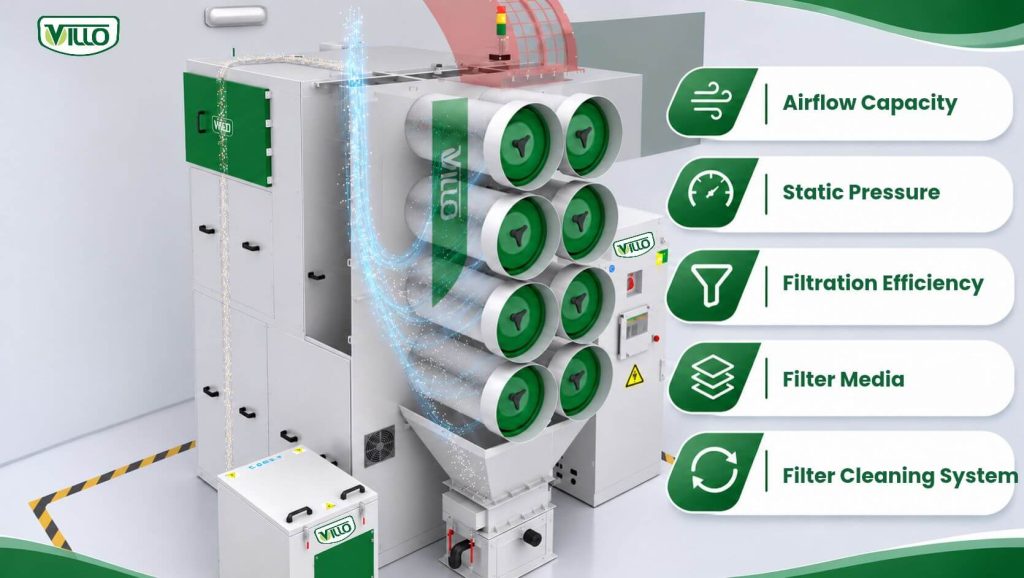
Airflow and static pressure must be evaluated together. A dust collector with a high rated airflow may not deliver sufficient performance if its fan cannot overcome the actual system resistance. Both parameters should therefore be determined according to the overall system design.
Filtration requirements depend on the particle characteristics and operating environment. Key considerations include:
- Filtration efficiency: The filter's ability to capture airborne particles of different sizes.
- Filter media: The material should be compatible with the dust's moisture content, operating temperature, and chemical properties.
- Special filtration requirements: Antistatic filter media and other appropriate safety measures may be necessary when handling combustible dust or applications involving static electricity.
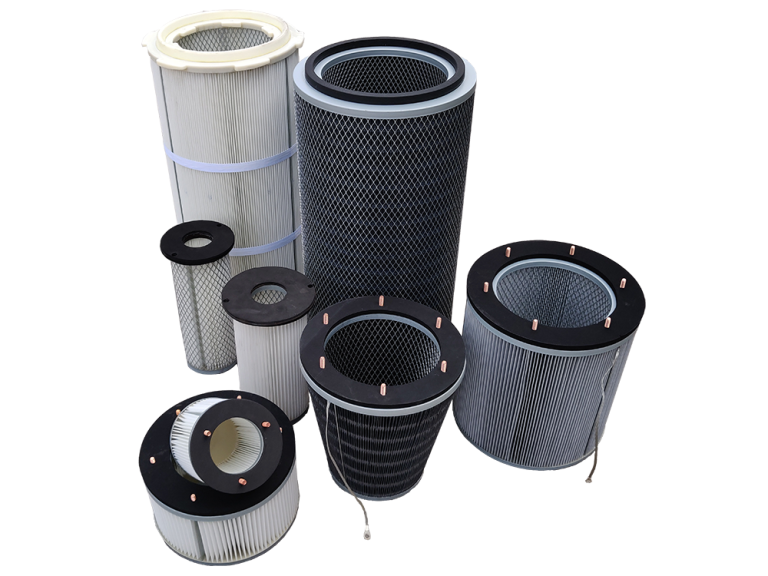
The filter cleaning system is another factor that affects long-term operation. Pulse-jet cleaning, for example, uses short bursts of compressed air to remove accumulated dust from filter cartridges or bags. The appropriate cleaning method depends on the filter design, dust properties, and operating conditions.
When discussing these requirements with a manufacturer, provide any available airflow and pressure data, information about the dust-generating equipment, and details of the existing ventilation or ductwork system. If you do not know the exact airflow or static pressure requirements, the manufacturer can use your production information and extraction point details to evaluate the system and recommend suitable parameters.
2.3 Consider Operating Conditions and Site Requirements
Even if a dust collector meets the required technical specifications, it may not be suitable for your facility if the installation environment and operating conditions have not been properly considered.
Start with the available installation space and the layout of your production area. The equipment must fit within the designated space while leaving sufficient room for installation, filter replacement, dust container removal, and routine maintenance. You should also determine whether the collector will be installed indoors or outdoors, as temperature, humidity, and other environmental conditions may influence equipment configuration.
Electrical requirements should be confirmed before equipment selection. Check the available voltage, frequency, and power supply phase at your facility. For example, an industrial site may use a 380 V or 400 V, 50 Hz, three-phase power supply. The selected equipment must be compatible with the local electrical conditions.
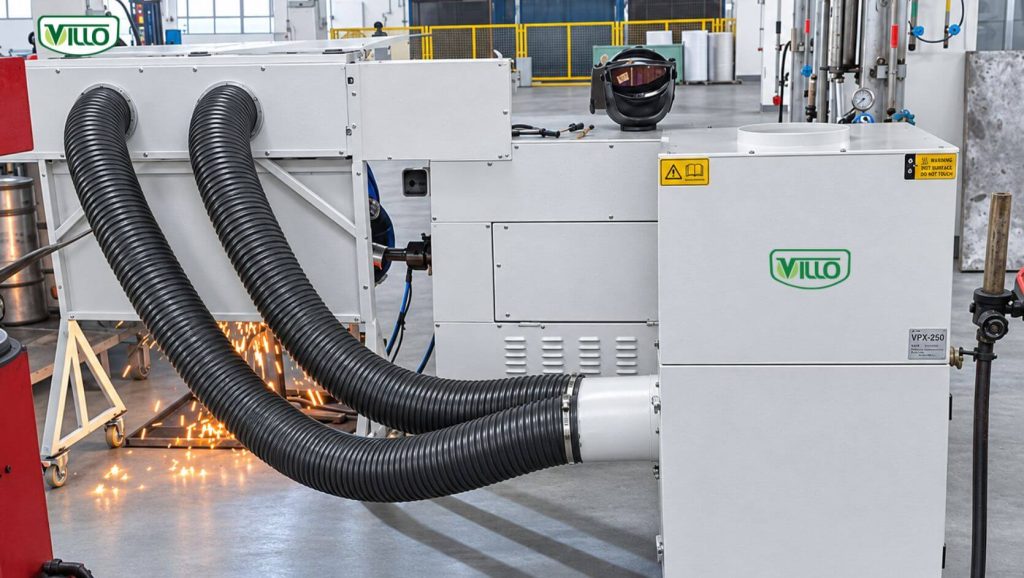
Operating patterns and maintenance arrangements are equally important. Consider whether the dust collector will run continuously or only during certain production periods, as this can affect equipment selection and maintenance planning. Operators should also have convenient access to filters, collection containers, and other components that require regular inspection or replacement.
The production layout also determines how the dust collection system should be arranged. A facility with a single dust-generating machine may only need an individual dust collector, whereas a larger production area with several machines may benefit from a centralized dust collection system. This type of system connects multiple collection points to a shared unit, but its suitability depends on the number of extraction points, airflow requirements, ductwork layout, and operating conditions.
Providing accurate information about your facility and production requirements allows the manufacturer to assess installation constraints and prepare a proposal that is better suited to your actual working environment.
In short, understanding your dust characteristics, airflow and filtration requirements, and site conditions provides the foundation for selecting suitable industrial dust collection equipment. Once these requirements are clear, the next step is to evaluate whether the manufacturer has the technical expertise and engineering capabilities to meet them.
3. Evaluate the Manufacturer's Technical Expertise and Engineering Capabilities
A manufacturer's technical expertise determines how effectively it can select, design, and supply dust collection equipment for different applications. Beyond offering a range of products, a qualified manufacturer should have relevant industry experience, engineering knowledge, and the technical resources to address specific project requirements.
When evaluating a manufacturer, focus on four areas: product experience, engineering and equipment selection, design and system integration, and performance testing.
3.1 Review the Product Range and Relevant Industry Experience
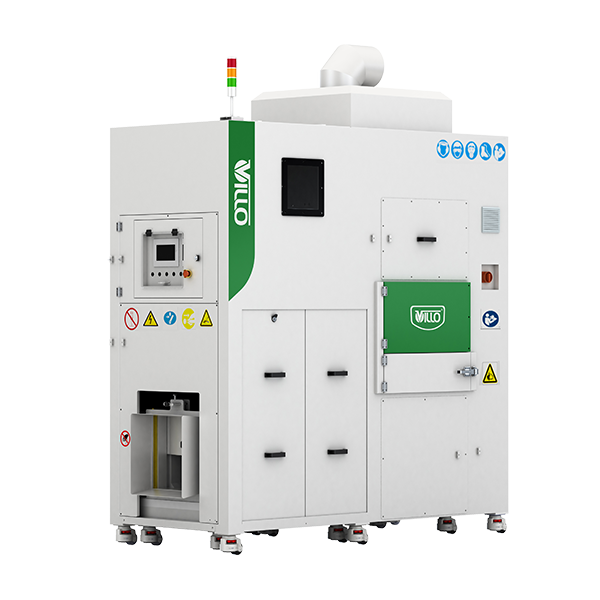
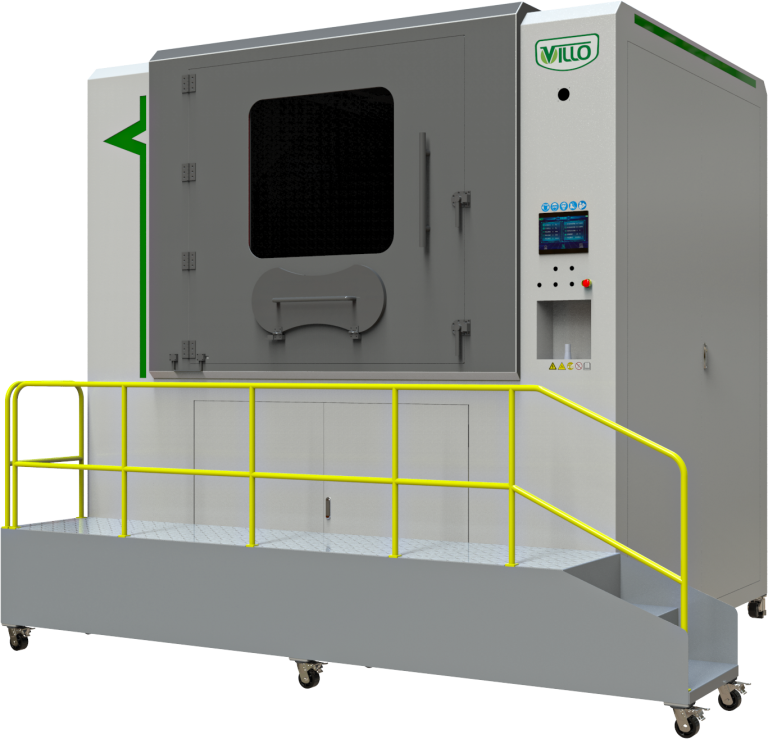
Start by reviewing the manufacturer's product portfolio to see whether it covers the equipment required for your application. Common types of industrial dust collection equipment include:
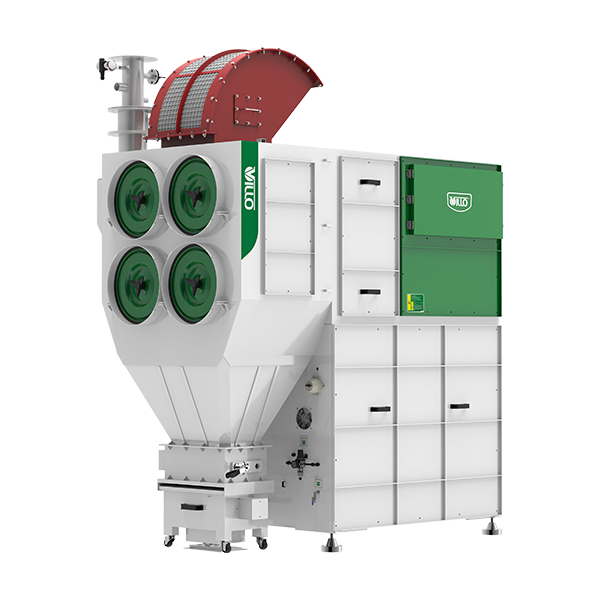
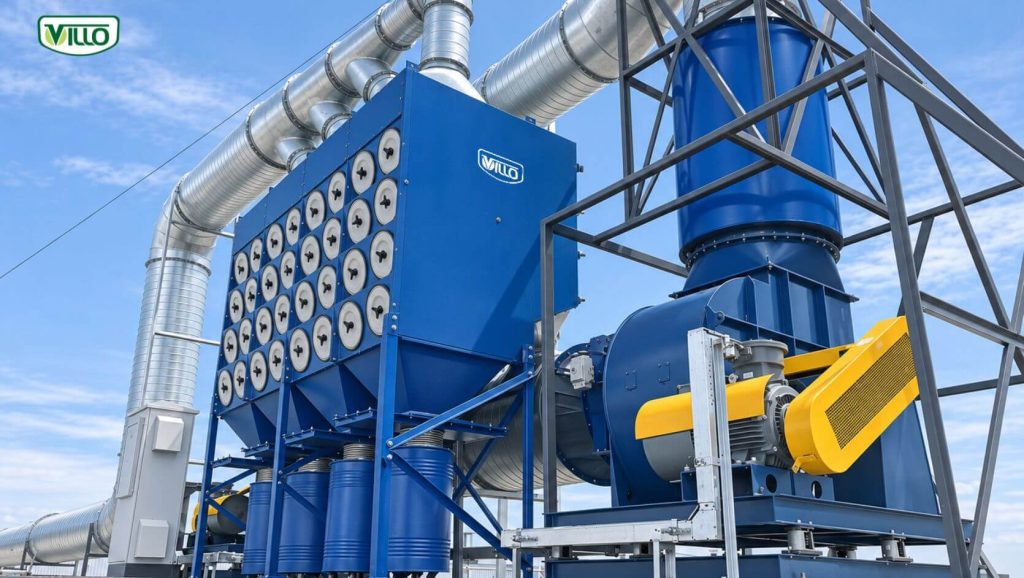
- Cartridge Dust Collectors: Commonly used in metalworking, surface treatment, and general industrial dust collection.
- Baghouse Dust Collectors: Suitable for applications involving large dust volumes and continuous operation.
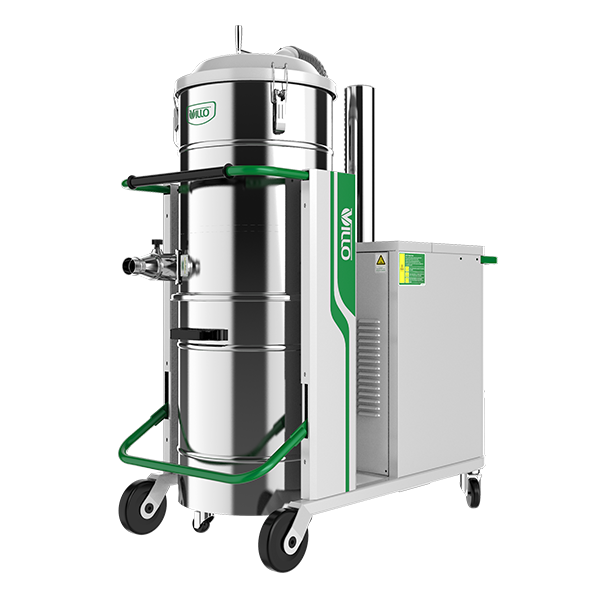
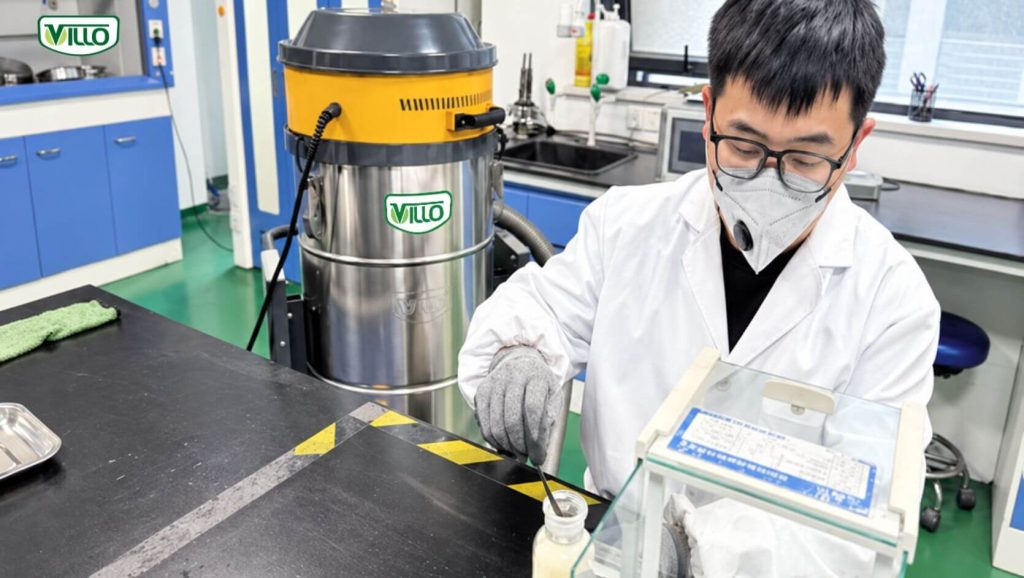
- Industrial Vacuum Cleaners: Used to collect dust, debris, and materials from production areas and machinery.
- Welding Fume Extractors: Designed to capture fumes and airborne particles generated during welding.
- Centralized Dust Collection Systems: Connect multiple dust-generating points to a shared collection unit.
However, a wide product range does not necessarily indicate strong technical expertise. More importantly, the manufacturer should have experience with applications similar to yours. Metalworking, pharmaceutical manufacturing, food processing, and lithium battery production, for example, involve different dust characteristics, operating conditions, and safety requirements.
Ask for relevant project references, application examples, or case studies. These can help you assess whether the manufacturer understands the practical challenges of your industry and has supplied equipment for comparable production processes.
3.2 Assess Engineering and Equipment Selection Capabilities
A capable manufacturer should be able to evaluate your application and recommend equipment based on engineering requirements rather than simply matching a standard product to a general industry category.
During technical discussions, pay attention to how the manufacturer analyzes your production process, dust characteristics, and operating conditions. Its recommendations should reflect the actual requirements of your application, including appropriate airflow, filtration methods, system resistance, and dust discharge arrangements.
For more complex applications, the manufacturer should also be able to identify potential technical challenges, such as insufficient extraction capacity, filter compatibility issues, or fire and explosion risks.
Equally important is the ability to explain the technical basis for its recommendations. The manufacturer should be able to clarify why a particular equipment model, filter configuration, or system arrangement is suitable for your application and how the proposed specifications relate to your operating requirements.
This helps distinguish manufacturers with genuine engineering capabilities from suppliers that mainly offer standard equipment without sufficient technical evaluation.
3.3 Evaluate Equipment Design and System Integration Capabilities
While standard equipment can meet many industrial requirements, some projects involve specific installation constraints or production line configurations. In these cases, equipment design and system integration capabilities become important.
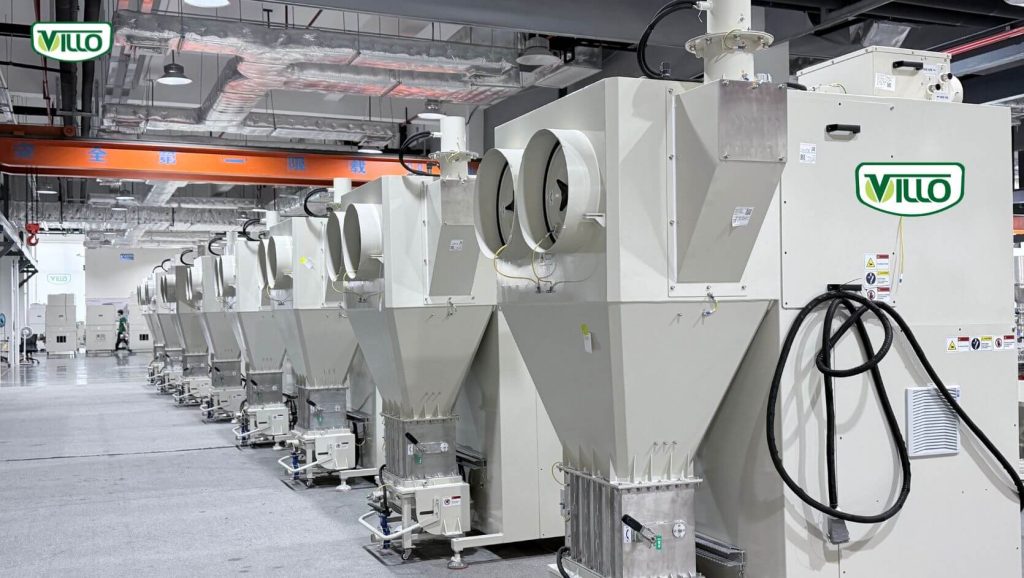
Depending on the project, design adjustments may involve:
- Equipment dimensions and structure: Adapting the equipment layout to available installation space.
- Inlet and outlet configurations: Matching ductwork connections and extraction point positions.
- Electrical and control systems: Ensuring compatibility with the facility's power supply and operating requirements.
- System integration: Connecting multiple production machines to a centralized dust collection system and coordinating airflow distribution.
For larger projects, the manufacturer may also need to coordinate equipment layouts, ductwork arrangements, and connections with existing production equipment.
Before selecting a supplier, clarify the scope of engineering services it can provide. This may include equipment design, system layout, connection arrangements, installation guidance, and commissioning support. Also confirm which responsibilities belong to the manufacturer and which require separate contractors.
3.4 Examine Testing Capabilities and Quality Control Procedures
Technical specifications and product descriptions alone cannot fully demonstrate equipment performance. You should also understand how the manufacturer tests its products and verifies that they meet the required standards.
Ask whether the manufacturer has testing facilities and established procedures for evaluating equipment performance, such as airflow, filtration efficiency, and operational conditions. For applications with specific filtration requirements, relevant filter testing data or performance reports can provide additional evidence.
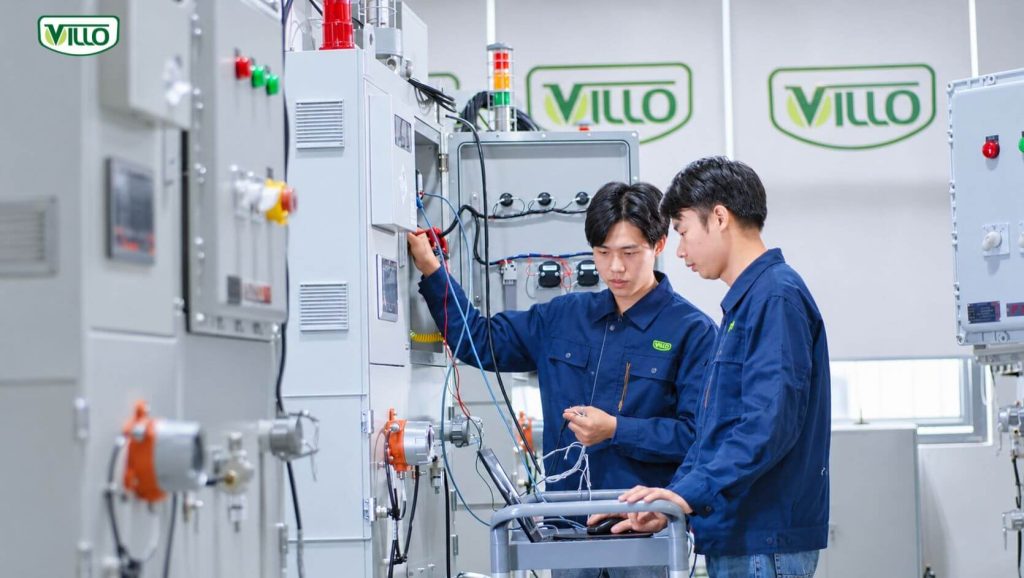
The manufacturer's testing resources can also offer insight into its technical capabilities. For example, a dedicated laboratory may support filter evaluation, material testing, and equipment performance verification, depending on its facilities and testing scope.
In addition to testing capabilities, review the technical documentation available for the equipment. This may include:
- Product specifications and technical drawings.
- Operation and maintenance manuals.
- Performance test reports and relevant inspection records.
- Applicable product certifications and compliance documents.
Where certifications are required, verify that the documents cover the specific equipment model and intended application rather than relying on general company-level claims.
A manufacturer with established testing procedures, documented quality controls, and reliable technical records can provide greater confidence in the consistency and performance of its equipment.
Ultimately, evaluating technical expertise means looking beyond product catalogs and company claims. Relevant industry experience, sound engineering recommendations, equipment design capabilities, and verifiable testing procedures are all important indicators of a manufacturer's technical competence.
4. Assess the Manufacturer's Production and Manufacturing Capabilities
Technical expertise is important, but a manufacturer's ability to turn engineering designs into finished equipment is equally important. When selecting an industrial dust collector manufacturer, buyers should verify whether the company has the facilities, workforce, production processes, and quality controls needed to manufacture the equipment it offers. This helps distinguish a direct manufacturer from a trading company or intermediary and provides a clearer picture of its ability to manage production and delivery.
Rather than relying only on company descriptions or factory photographs, look for practical evidence of manufacturing activities and assess whether the facilities are appropriate for the type and scale of equipment you plan to purchase.
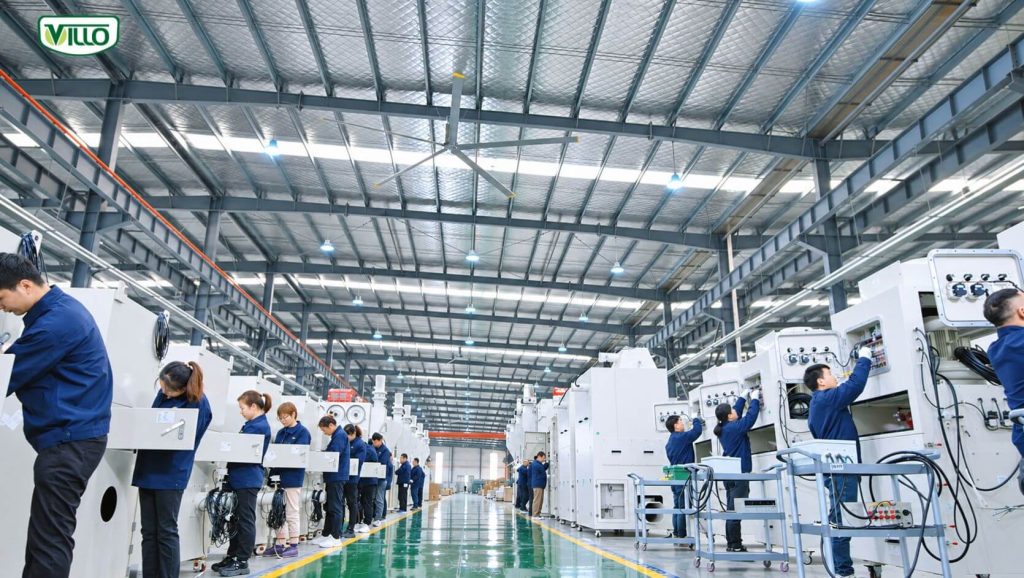
4.1 Verify Whether the Company Is a Direct Manufacturer
Start by checking whether the company owns or directly operates manufacturing facilities. A business may describe itself as a manufacturer while outsourcing most production to third parties. This does not automatically make it an unsuitable supplier, but buyers should understand which parts of the manufacturing process are handled in-house and which are outsourced.
Ask whether the company manufactures key equipment components, operates dedicated production or assembly areas, and employs its own production and quality control personnel. You can also request the factory address, an overview of the manufacturing process, equipment photographs, or relevant production documentation. These details can help establish whether the company has direct involvement in manufacturing rather than acting only as a trading intermediary.
When possible, arrange an onsite factory visit or a live video tour. A visit can give you a better understanding of the production environment, equipment, assembly procedures, and workforce. If an in-person visit is not practical, a video inspection can still help you review the facilities and ask questions about specific manufacturing steps. You may also request a brief explanation of how an order moves from material preparation and component processing to assembly, inspection, and shipment.
During this assessment, clarify the manufacturer's responsibilities for product design, production, testing, and after-sales support. A transparent company should be able to explain its own manufacturing scope and identify any processes or components supplied by external partners.
4.2 Examine Production Capacity and Manufacturing Facilities
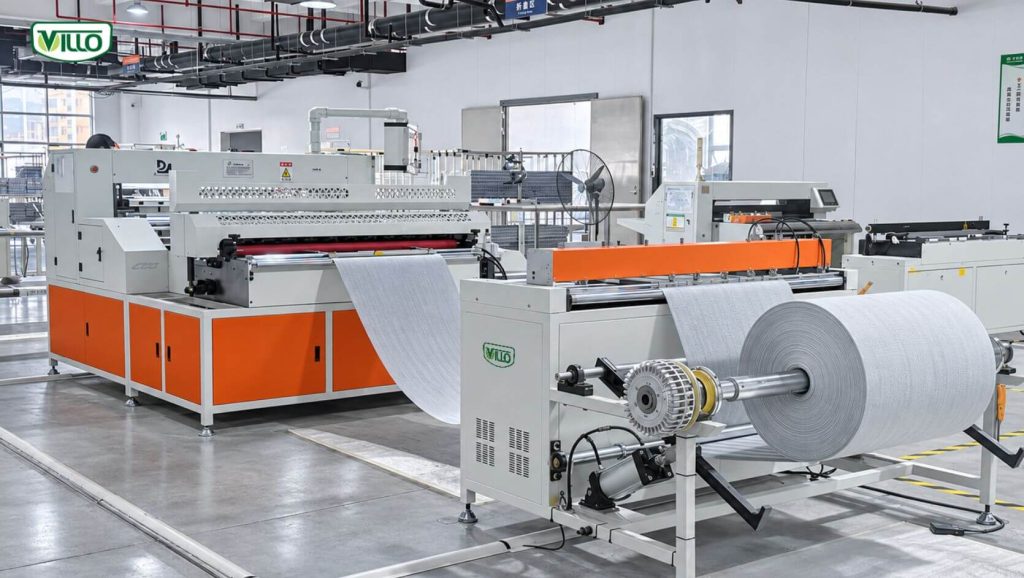
The size and organization of a manufacturer's facilities can provide useful information about its production resources, although factory area alone does not guarantee manufacturing capacity. Buyers should also consider the available production equipment, assembly space, workforce, production management, and the company's ability to handle orders of different sizes.
Look at whether the facilities include suitable areas for metal fabrication, component processing, equipment assembly, electrical installation, inspection, and finished-product preparation, as relevant to the equipment being purchased. The manufacturer's workforce and technical personnel are also important, particularly when projects involve non-standard configurations or coordination between engineering and production teams.
Production management affects whether a manufacturer can maintain consistent quality and meet agreed delivery schedules. Ask how production progress is monitored, how incoming components and work-in-process products are inspected, and how final equipment checks are arranged. For larger or time-sensitive orders, it is useful to understand the manufacturer's current production schedule and how it plans capacity for your order.
VILLO, for example, was established in 2007 and operates two manufacturing facilities in China, with more than 100,000 m² of manufacturing facilities and over 400 engineering and technical personnel. These figures provide context for its manufacturing and technical resources, but buyers should still evaluate a supplier's facilities, production processes, and capacity in relation to the specific project requirements.
Before placing an order, discuss the expected production lead time, order quantity, inspection arrangements, and any factors that could affect delivery. A manufacturer should be able to explain how its production resources and schedule support the proposed delivery commitment.
4.3 Evaluate Manufacturing Processes and Component Quality
Manufacturing capability also depends on how consistently a company controls the processes used to build its equipment. Ask how materials and purchased components are checked when they arrive, how parts are processed and assembled, and what inspections are carried out before the finished dust collector is released.
For example, a manufacturer may need to verify the dimensions and condition of fabricated parts, check welds and surface treatment, inspect electrical connections, and confirm that filters and other components match the specified requirements. The exact inspection points will depend on the equipment design and the risks associated with its application.
Buyers should also understand how the manufacturer selects and manages key suppliers. Filter cartridges and filter media, fans and motors, electrical components, control systems, seals, and structural materials can all affect equipment performance and service life. Ask for relevant specifications and clarify whether components are sourced from established suppliers, manufactured in-house, or selected according to project requirements. It is also useful to confirm whether replacement components can be identified and supplied in the future.
Do not judge manufacturing quality solely by the external appearance of the equipment. Consistent production procedures, appropriate component selection, traceable inspection records, and documented final checks provide stronger evidence that the manufacturer can deliver equipment to the agreed specifications.
By examining the company's manufacturing scope, facilities, production management, and component control procedures, buyers can make a more informed assessment of whether the manufacturer has the practical resources to produce and deliver the required dust collection equipment.
5. Check Certifications, Compliance, and Explosion Protection Capabilities
Certifications and regulatory compliance are important considerations when selecting an industrial dust collector manufacturer, particularly for equipment used in industries where combustible dust or potentially explosive atmospheres may be present.
Different countries and regions have different requirements for industrial equipment, and certain applications may require specific safety certifications or explosion protection measures. A manufacturer should understand these requirements and be able to provide equipment that meets the applicable standards for your intended market and operating environment.
Before making a purchasing decision, pay attention to the following aspects.
5.1 Understand the Certification Requirements in Your Target Market
Certification requirements vary depending on the destination market, equipment type, and intended application. Before choosing a manufacturer, identify which regulations and standards apply to the equipment you plan to purchase.
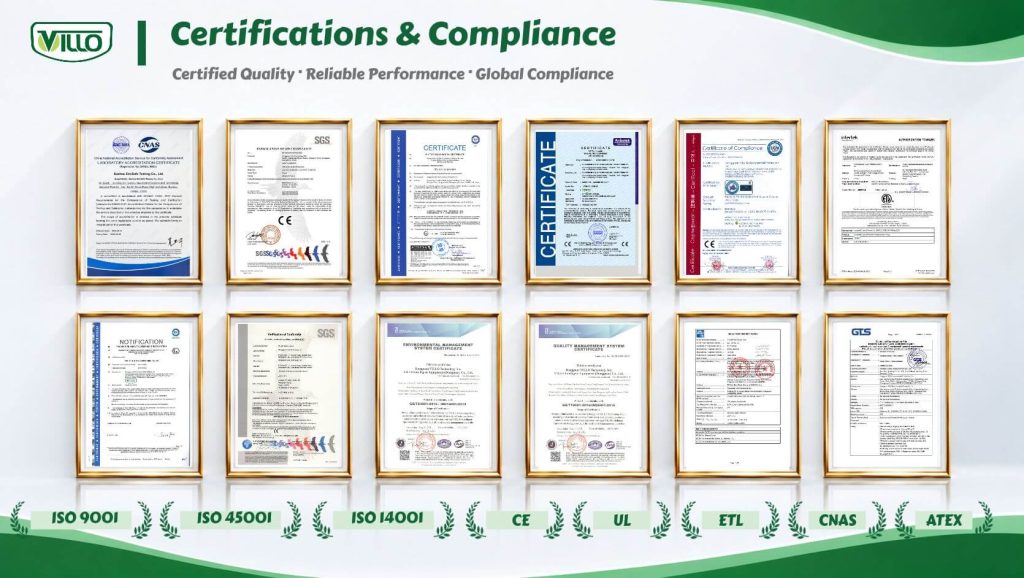
For example, CE marking is relevant to products placed on the European Economic Area market under applicable EU legislation. For equipment intended for use in potentially explosive atmospheres, ATEX Directive 2014/34/EU establishes essential health and safety requirements and conformity assessment procedures.
IECEx is another important certification scheme for equipment used in explosive atmospheres. It provides an internationally recognized framework for assessing equipment against applicable IEC standards. In the United States, UL certifications and relevant safety standards may also be required depending on the equipment and installation conditions.
It is important to understand that these certifications and standards serve different purposes and are not interchangeable. A product that meets one certification requirement does not necessarily satisfy all regulatory requirements in another market.
When discussing a project with a manufacturer, specify the destination country, intended application, and any certification requirements provided by your end customer or project consultant. This allows the manufacturer to identify the relevant compliance requirements before preparing an equipment proposal.
5.2 Verify the Validity and Scope of Product Certifications
Knowing which certifications are required is only the first step. You should also verify whether the manufacturer's certificates actually cover the equipment being offered.
Pay particular attention to the product model, certification scope, equipment category, and applicable conditions of use. A manufacturer may hold certifications for certain product series or components, but this does not automatically mean that every product in its catalog is covered.
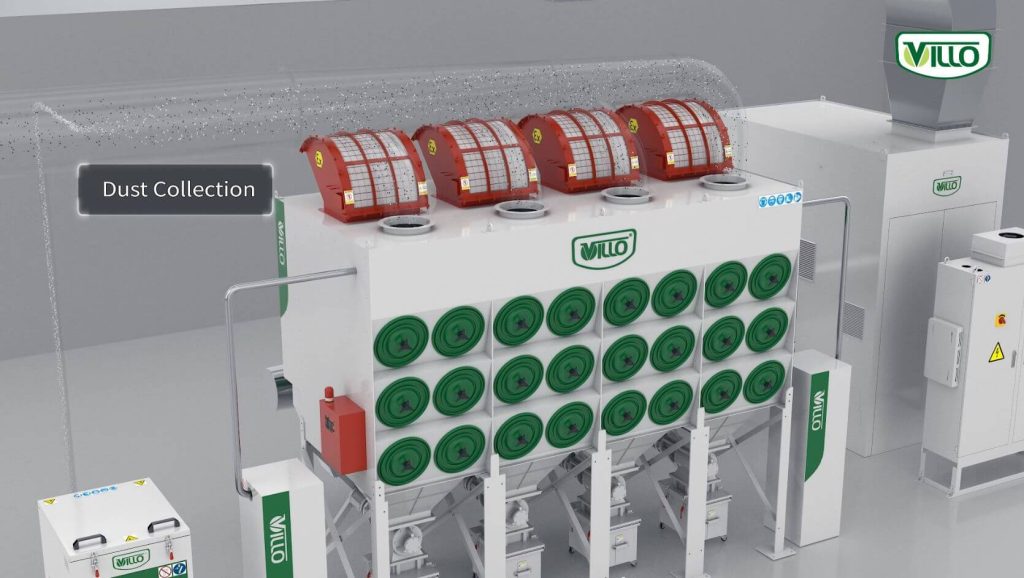
For explosion-protected equipment, the certification details should be consistent with the intended hazardous area classification and operating conditions. You should also check whether the certificate applies to the complete equipment or only to specific components.
Where applicable, request copies of the relevant certificates, conformity declarations, and supporting technical documents. You can also check certificate information through the relevant certification body or official certification database.
Do not rely solely on certification logos displayed on a manufacturer's website or product brochure. The actual certificate and its scope provide much more useful information when assessing regulatory compliance.
5.3 Evaluate the Manufacturer's Explosion Protection Capabilities
For applications involving combustible dust, explosion protection deserves particular attention. Certain fine materials, including metal powders, wood dust, food powders, and chemical dust, may create combustible dust hazards under specific conditions.
A manufacturer should understand the potential risks associated with the collected material and be able to recommend appropriate explosion protection measures based on the application and relevant safety requirements.
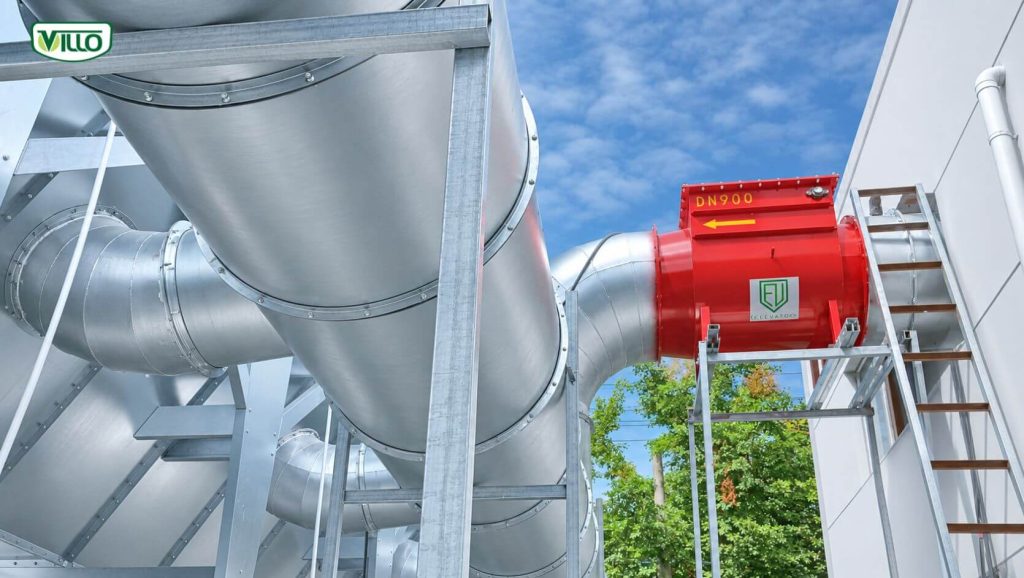
Depending on the dust properties and system design, these measures may include explosion venting, explosion isolation, explosion suppression, spark detection, and other fire or explosion prevention measures. The appropriate approach depends on factors such as dust explosibility, equipment configuration, installation location, and the surrounding production environment.
It is also important to consider how the dust collector is integrated into the overall production system. For example, an explosion event inside a dust collector may create additional risks if flames or pressure propagate through connected ductwork into other production areas. Therefore, explosion protection should not be considered only at the equipment level; the connections between the collector, ductwork, and production machinery also need to be evaluated.
When assessing a manufacturer's capabilities, ask whether it can explain the proposed protection measures and provide relevant design information or supporting documentation. Experience with combustible dust applications and knowledge of applicable explosion protection standards are important indicators of its technical competence.
5.4 Check Compliance Documentation and Technical Support
In addition to product certifications, the manufacturer should be able to provide the technical documentation required for equipment installation, operation, and regulatory verification.
Depending on the product and destination market, this may include certificates, declarations of conformity, technical specifications, equipment drawings, test reports, and operation and maintenance manuals. For explosion-protected equipment, relevant explosion protection documentation and installation instructions are also important.
These documents help buyers, engineers, and installation contractors verify that the equipment is suitable for the intended application and can be installed and operated according to the specified conditions.
It is also worth checking whether the manufacturer can provide technical support when certification or compliance questions arise during project implementation. This may involve clarifying equipment marking, explaining certification scope, providing additional technical documents, or coordinating with relevant certification bodies when necessary.
A manufacturer that can provide appropriate documentation and technical assistance makes it easier to verify equipment compliance and manage potential regulatory issues throughout the purchasing and installation process.
Ultimately, choosing a compliant industrial dust collector involves more than checking whether a manufacturer displays recognized certification marks. You should verify that the relevant certificates cover the actual equipment, understand whether its explosion protection measures suit your application, and ensure that the necessary technical documentation is available.
6. Review the Manufacturer's Industry Experience and Project References
A manufacturer's experience in industrial dust collection should be evaluated not only by how long it has been in business, but also by the industries it has served and the projects it has completed. Different manufacturing processes generate different types of dust and create different challenges for collection, filtration, and system operation. A manufacturer with relevant industry experience is more likely to understand these application requirements and identify potential issues before equipment is installed.
When evaluating a manufacturer, look beyond general claims about years of experience or the number of customers served. Focus on whether its previous projects are relevant to your industry, materials, production processes, and operating conditions.
6.1 Review the Manufacturer's Experience in Your Industry
Start by checking whether the manufacturer has experience serving your industry. Industrial dust collection requirements can vary significantly between sectors. Metalworking facilities may need to collect fine metal particles, grinding dust, or welding fumes, while woodworking operations often deal with wood chips and combustible dust. Food processing and pharmaceutical manufacturing may have additional requirements related to powder handling, equipment cleaning, and contamination control.
A manufacturer that understands these industry-specific conditions can better assess the application and recommend equipment suited to the production environment. For example, experience with pharmaceutical powder handling does not automatically demonstrate expertise in metal grinding applications, as the materials, collection requirements, and operating conditions may be quite different.
You can review the manufacturer's website, product catalogs, industry-specific pages, and previous project descriptions to understand which sectors it has served. Pay attention to whether the company provides specific application information rather than simply listing a wide range of industries.
6.2 Examine Relevant Project References and Case Studies
Project references and case studies provide practical evidence of a manufacturer's experience. However, the number of projects alone is not a reliable indicator of suitability. A smaller number of well-documented projects involving applications similar to yours may be more valuable than a long list of unrelated installations.
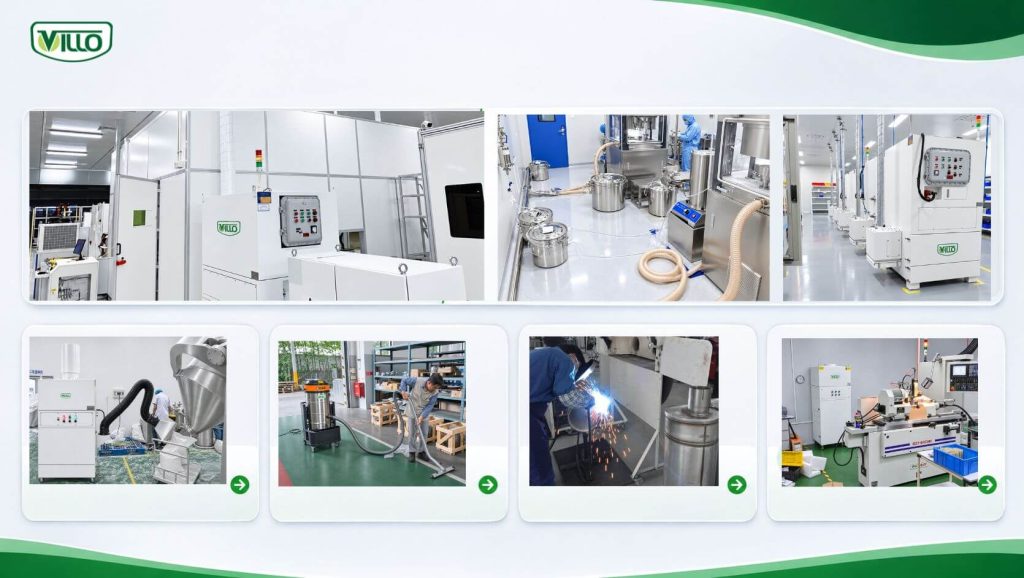
When reviewing a case study, look for information about the customer's industry, the production process, the type of dust or material being handled, and the equipment or system supplied. It is also useful to understand the original application challenge and how the selected equipment was applied to address it. Project photographs, installation videos, equipment details, and descriptions of the operating environment can help you assess whether the reference is relevant to your requirements.
For example, if you are purchasing a dust collection system for lithium battery manufacturing, a project involving powder handling or combustible dust applications may be more relevant than a general industrial dust collection installation. Similarly, a woodworking dust collection project involving sanding operations may provide useful insight if your production line generates comparable fine wood dust.
Where possible, ask the manufacturer for additional project details, such as the equipment model, installation location, project completion date, and system scope. This helps distinguish genuine application experience from general promotional descriptions.
6.3 Verify Project Experience and Customer Feedback
Published case studies are a useful starting point, but buyers should also consider how the manufacturer performs after equipment delivery and installation. A project reference is more meaningful when it provides insight into actual equipment operation, customer experience, and the manufacturer's ability to provide ongoing support.
For major equipment purchases or complex dust collection projects, consider asking the manufacturer whether it can provide customer references or arrange a discussion with an existing customer, subject to the customer's permission. If direct contact is not possible because of confidentiality requirements, the manufacturer may still be able to provide anonymized project information, installation photographs, or other supporting records.
When reviewing customer feedback, pay attention to whether the equipment meets the intended application requirements, how smoothly installation and commissioning were handled, and how the manufacturer responds to technical questions or service requests. Long-term operating experience can also help you understand maintenance requirements and the availability of replacement parts.
It is worth considering the age of the project references as well. Recent projects can demonstrate the manufacturer's current product and project experience, while older installations may provide useful information about long-term equipment operation. Looking at both can give buyers a more balanced view of the manufacturer's track record.
Ultimately, the most useful references are those that demonstrate relevant application experience and provide credible information about project delivery and equipment performance. This allows you to assess the manufacturer's experience based on practical evidence rather than relying solely on its company profile or marketing claims.
7. Compare Product Quality, Performance, and Reliability
When comparing industrial dust collectors from different manufacturers, buyers should look beyond product appearance, advertised specifications, and initial purchase price. Equipment quality, actual operating performance, and long-term reliability all influence how effectively a dust collection system performs in daily production.
Two dust collectors with similar rated airflow or motor power may deliver different results because of differences in equipment construction, filter configuration, component selection, and overall system design. Evaluating these factors helps buyers identify equipment that can meet their application requirements and maintain stable performance over time.
7.1 Examine Equipment Construction and Component Quality
The quality of an industrial dust collector depends on both its overall construction and the components used in the equipment. When comparing products, pay attention to the housing structure, material thickness, surface treatment, sealing design, and the quality of key components.
For example, the housing material and protective coating should be suitable for the operating environment, particularly where equipment may be exposed to moisture, corrosive substances, or abrasive dust. Poor sealing can also lead to air leakage and reduced collection effectiveness. For applications involving abrasive materials or heavy dust loads, the design of the inlet, hopper, and dust discharge components deserves particular attention.
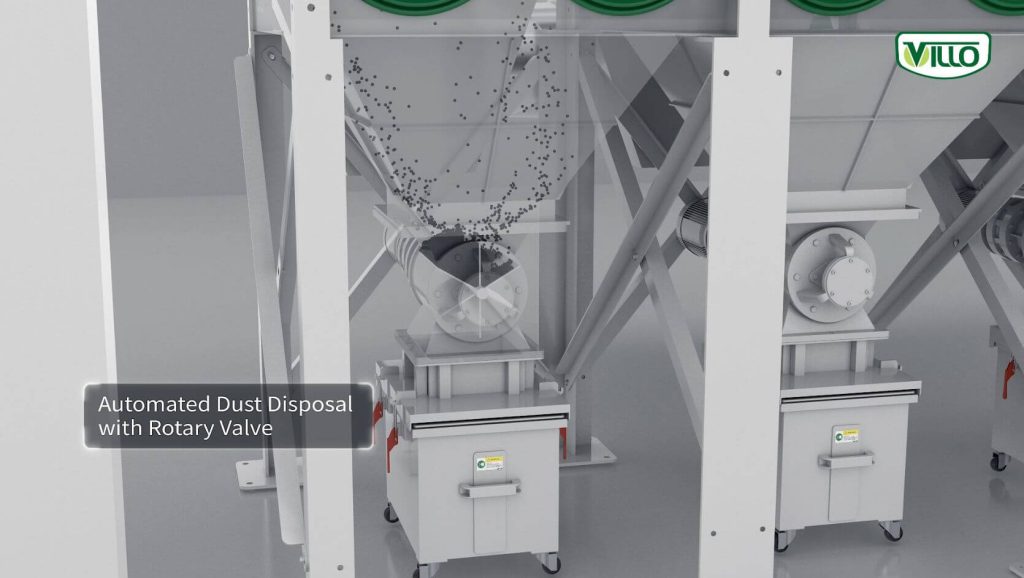
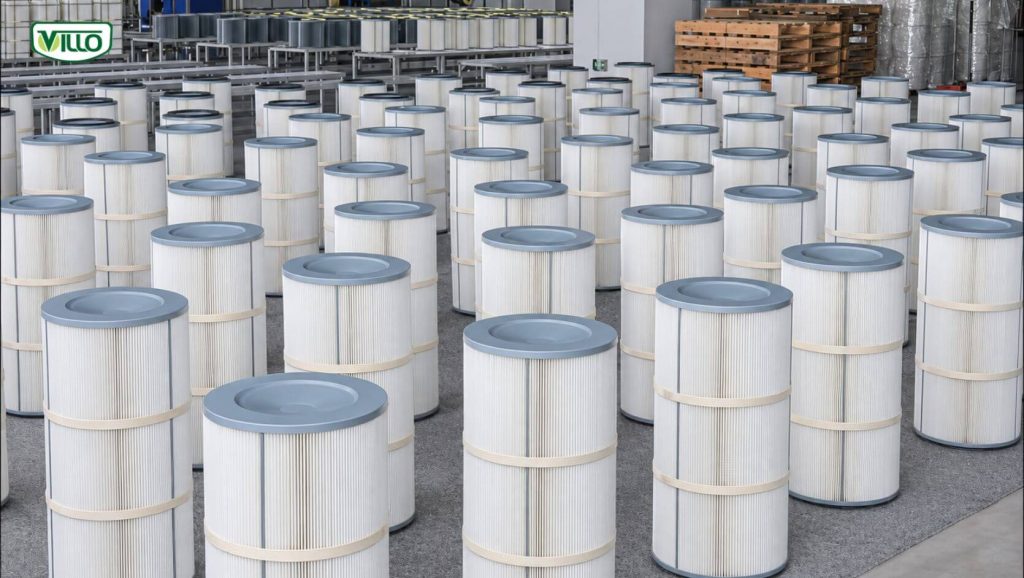
Key components such as fans, motors, filter cartridges, filter bags, electrical controls, and cleaning systems should also be evaluated. Their specifications and configurations need to match the intended application rather than simply relying on brand names or component prices. Filter media, for instance, should be selected according to particle characteristics, operating temperature, moisture conditions, and filtration requirements.
Buyers can request product specifications, component details, material information, and equipment photographs to understand how different manufacturers construct their products. A detailed comparison of these elements provides a more reliable basis for judging product quality than appearance alone.
7.2 Compare Performance Data Under Comparable Operating Conditions
Product specifications are essential for comparing industrial dust collectors, but individual figures should not be evaluated in isolation. Rated airflow, static pressure, filtration efficiency, power consumption, and dust handling capacity should be considered together and assessed against the actual operating requirements.
One important point is to check whether the quoted airflow and static pressure can be achieved at the same operating point. A manufacturer's maximum airflow figure may not represent the airflow available when the system operates against the required resistance. For dust collectors using filter cartridges or bags, buyers should also understand how filter resistance changes as dust accumulates and whether the equipment can maintain the required airflow during normal operation.
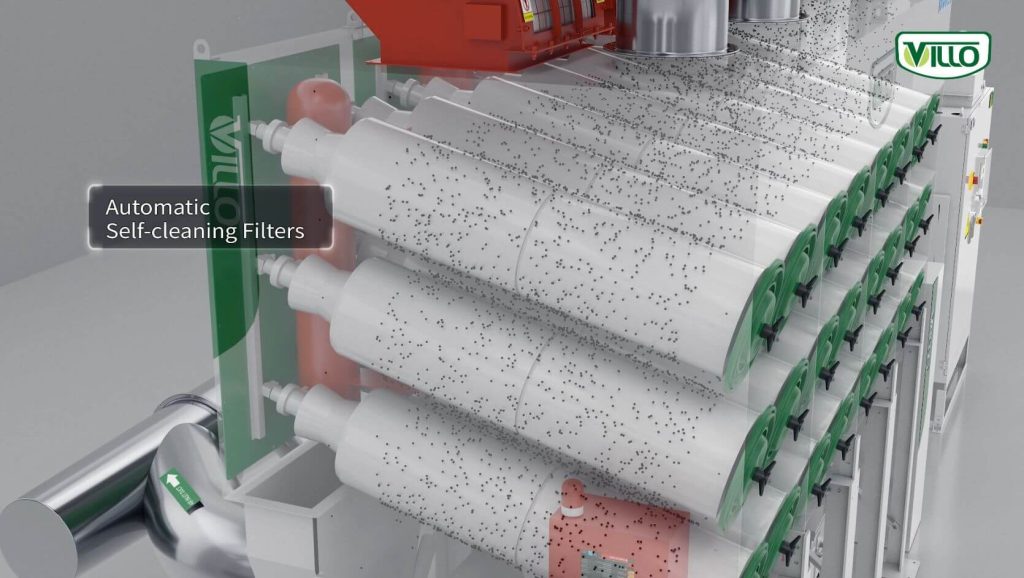
Filtration performance requires similar attention. Rather than relying only on general claims such as high filtration efficiency, ask for the applicable test method, testing conditions, and relevant performance data. Where emission control is important, outlet dust concentration or emission levels may provide more useful information for evaluating the equipment's performance.
Energy consumption is another factor worth comparing. Equipment with a higher motor rating does not necessarily provide better collection performance. Buyers should consider the power required to achieve the specified airflow and pressure under actual operating conditions, along with compressed air consumption where pulse-jet cleaning is used.
To make a meaningful comparison, request technical data sheets and supporting test information from each supplier. Ensure that the figures are based on comparable test conditions and equipment configurations. This makes it easier to identify differences in actual performance rather than relying on specifications presented in different ways.
7.3 Assess Long-Term Reliability and Maintenance Requirements
An industrial dust collector is expected to operate consistently over an extended period, often under demanding production conditions. Its reliability depends not only on the quality of individual components but also on whether the equipment is suitable for the dust characteristics, operating schedule, and maintenance conditions of the facility.
Filter service life is one factor to consider. Dust properties, filter media selection, filtration loading, and cleaning effectiveness can all affect how frequently filters need to be replaced. If the cleaning system cannot effectively remove accumulated dust, filter resistance may increase, reducing airflow and potentially causing more frequent maintenance or downtime.
The dust discharge design is equally important. The hopper and discharge mechanism should handle the collected material reliably without causing blockages or interrupting operation. For applications involving continuous production or high dust loads, buyers should pay particular attention to whether the equipment can support the expected operating hours and dust handling requirements.
Maintenance accessibility should also be considered before purchase. Check whether filters can be inspected and replaced conveniently, whether routine maintenance points are easy to reach, and whether commonly replaced components are readily available. Equipment that is difficult to maintain may increase labor requirements and extend production downtime.
Finally, consider the expected service life of key components, recommended maintenance intervals, availability of replacement filters and spare parts, and the manufacturer's stated operating conditions. These details help buyers estimate the ongoing demands of owning and operating the equipment.
A reliable dust collector should not only meet the required specifications when first installed, but also maintain suitable performance throughout its service life with manageable maintenance requirements. Evaluating these factors alongside the initial purchase price gives buyers a more complete basis for comparing different products.
8. Evaluate After-Sales Service and Technical Support
When choosing an industrial dust collector manufacturer, it is important to look beyond equipment specifications and initial performance. Technical support and after-sales service also play an important role in ensuring the long-term operation of your dust collection system. Even a well-designed system may require adjustments, maintenance, or technical assistance after installation.
8.1 Technical Support Before and After Purchase
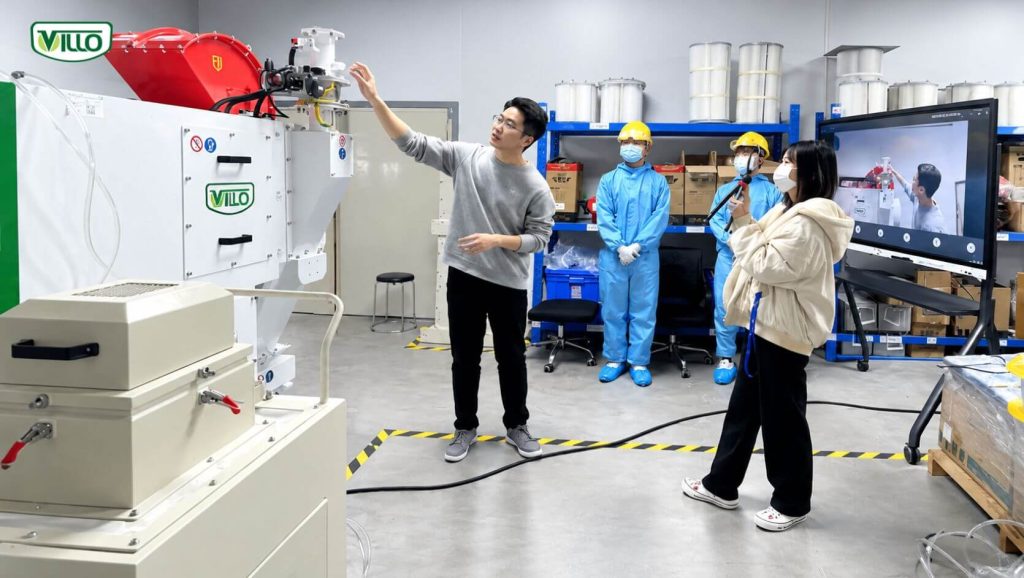
A reliable manufacturer should be able to provide technical guidance throughout the purchasing process and during equipment operation. Before purchase, this may include application assessments, equipment selection recommendations, technical proposals, and assistance in confirming whether the proposed system meets your production requirements.
After delivery, installation guidance, operation instructions, and troubleshooting support become equally important. When you encounter unexpected equipment performance issues or need to adjust operating parameters, access to knowledgeable technical personnel can help you identify potential causes and find appropriate solutions.
8.2 Spare Parts Availability and Maintenance Support
Regular maintenance is essential for keeping an industrial dust collection system operating efficiently. Components such as filter cartridges, filter bags, seals, and other wear parts may need periodic inspection, cleaning, or replacement depending on operating conditions.
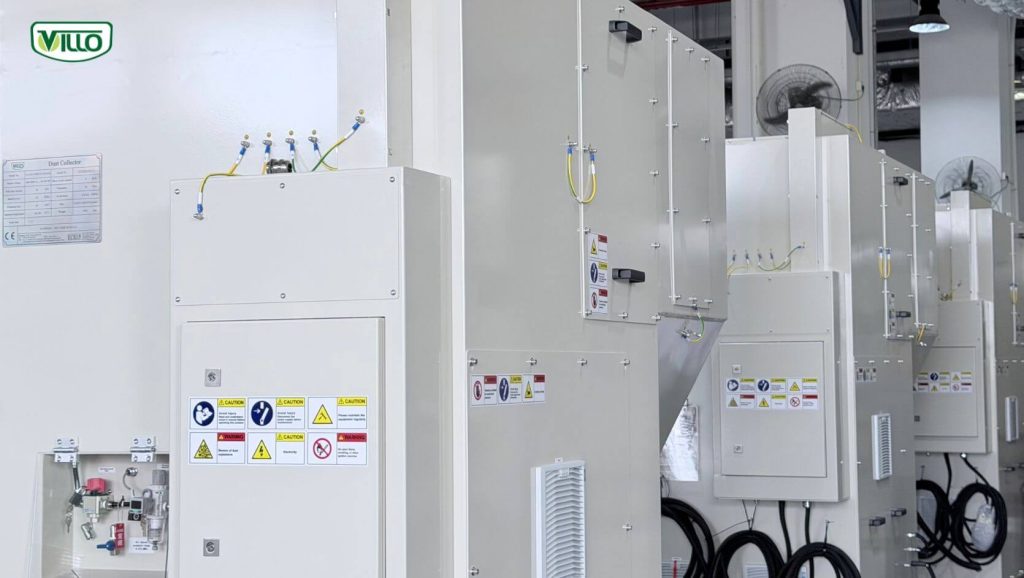
When evaluating a manufacturer, ask whether commonly used industrial dust collector spare parts are available and how replacement requirements are handled. It is also worth checking whether the manufacturer provides maintenance instructions, technical documentation, and recommendations for routine servicing.
Understanding spare parts availability, procurement lead times, and maintenance requirements in advance can help you plan equipment maintenance more effectively and reduce the risk of unexpected production interruptions.
8.3 International Communication and Service Capabilities
For international buyers, communication and technical coordination are additional factors to consider. You may be working with a manufacturer in another country, so clear communication in English, accessible technical documentation, and the ability to provide remote troubleshooting support can make a significant difference.
If your project requires on-site installation, commissioning, or technical training, clarify whether these services can be arranged and whether local distributors or service partners are available to assist. You should also confirm the warranty coverage, service scope, and relevant terms before placing an order.
Ultimately, choosing an industrial dust collector manufacturer with reliable technical support and clearly defined after-sales arrangements can help you manage maintenance requirements, address operational issues, and maintain the long-term performance of your dust collection system.
9. Compare Pricing, Delivery Time, and Total Cost of Ownership
When comparing industrial dust collector manufacturers, pricing is naturally one of the factors buyers consider. However, the lowest initial quotation does not always represent the best investment. Differences in equipment configuration, filtration performance, delivery time, and long-term maintenance requirements can all affect the overall cost of a dust collection system.
Instead of focusing only on the purchase price, buyers should evaluate the total cost of ownership (TCO) to understand the actual investment required throughout the equipment's service life.
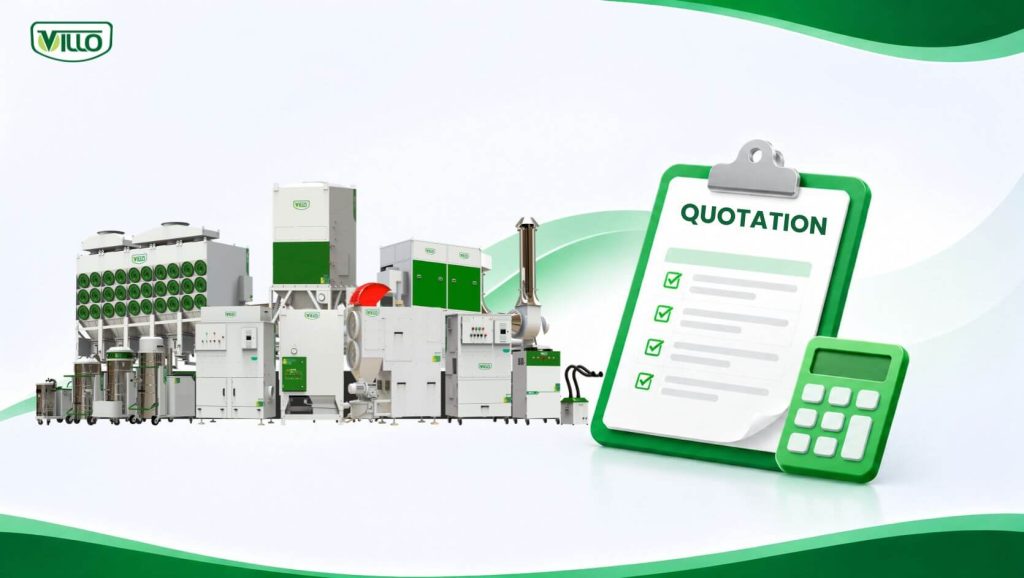
9.Industrial dust collector quotation and equipment procurement cost evaluation
When requesting quotations from different industrial dust collector manufacturers, make sure you are comparing equipment with similar technical specifications and configurations. Differences in airflow capacity, filtration area, filter materials, motor power, explosion protection features, and control systems can lead to significant price variations.
It is also important to check what is included in each quotation. Some manufacturers may include standard accessories, electrical components, and filtration systems, while others may quote these items separately. Installation, commissioning, packaging, and shipping costs should also be clarified before making a purchasing decision.
A detailed quotation makes it easier to identify differences between suppliers and avoid unexpected expenses during the procurement process.
9.2 Evaluate Production and Delivery Time
Delivery time is another important consideration, particularly for projects with fixed installation schedules or production deadlines. A manufacturer's production capacity, component availability, customization requirements, and order volume can all influence the delivery schedule.
When evaluating suppliers, ask about the estimated lead time from order confirmation to shipment. You should also clarify whether the quoted delivery period includes manufacturing, inspection, testing, and preparation for shipment.
For customized dust collection systems or large industrial projects, it is particularly important to confirm the production schedule and identify any potential factors that could affect delivery. Reliable scheduling helps you coordinate equipment installation and plan production activities more effectively.
9.3 Calculate the Total Cost of Ownership (TCO)
The initial purchase price is only one part of the investment. Over the equipment's operating life, electricity consumption, filter replacement, routine maintenance, labor, and potential downtime can contribute significantly to the total cost of ownership.
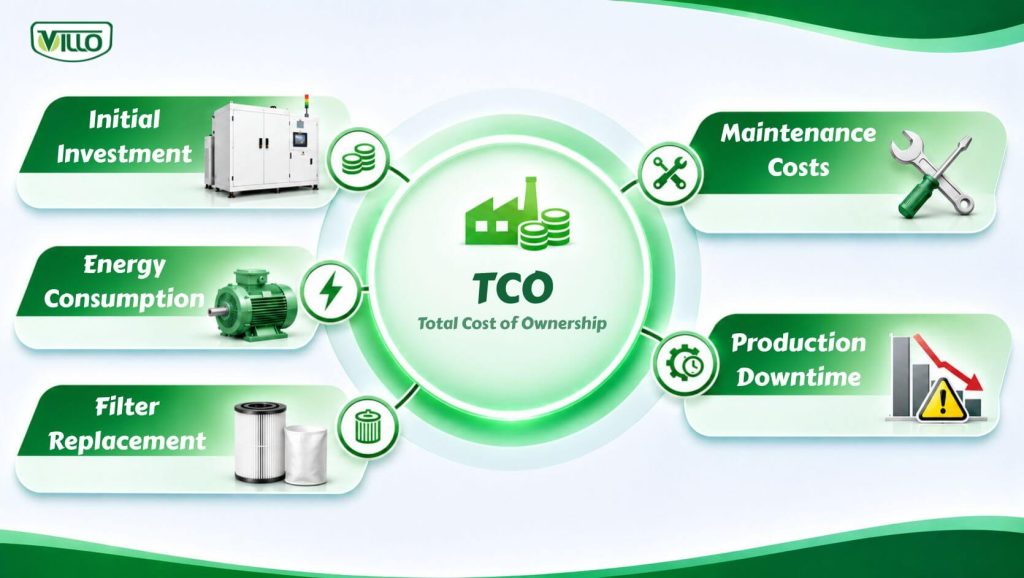
For example, an industrial dust collector with a lower purchase price may consume more energy or require more frequent filter replacement. In contrast, equipment with a higher initial investment may offer better filtration performance, more efficient operation, or longer filter service life, potentially reducing ongoing operating expenses.
When comparing manufacturers, consider the following cost factors:
- Initial investment: Equipment price, accessories, installation, and transportation.
- Energy consumption: Motor power, operating hours, and electricity usage.
- Filter replacement: Filter media costs, replacement frequency, and availability of spare parts.
- Maintenance costs: Routine servicing, labor, and component replacement.
- Production downtime: Potential losses caused by equipment failures or maintenance interruptions.
Evaluating these factors together provides a more realistic picture of the long-term financial impact of your purchasing decision.
Ultimately, the right industrial dust collector manufacturer should offer a reasonable balance between initial investment, delivery reliability, operating efficiency, and long-term maintenance costs. A comprehensive cost comparison can help you choose equipment that meets your production requirements while supporting more predictable operating expenses over time.
10. Conclusion
Choosing the right industrial dust collector manufacturer requires more than comparing equipment specifications or selecting the lowest quotation. It involves evaluating whether a manufacturer has the technical expertise, manufacturing capabilities, product quality, and industry experience to meet your specific application requirements. Understanding your dust characteristics, production processes, and applicable safety standards is the first step toward identifying a suitable supplier.
It is equally important to consider the manufacturer's experience in your industry, the reliability of its equipment, and its ability to provide technical support throughout the equipment's service life. Factors such as spare parts availability, maintenance requirements, delivery schedules, and total cost of ownership can all influence the long-term value of your investment. A manufacturer that understands these requirements can help you make a more informed decision and reduce potential operational risks.
Ultimately, the right industrial dust collector manufacturer should be a reliable technical partner, not simply an equipment supplier. By taking a comprehensive approach to supplier evaluation, you can select a manufacturer whose products and capabilities align with your production needs, safety requirements, and long-term operational goals.
With experience in industrial dust collection, powder handling, and explosion protection, VILLO provides equipment and solutions for a wide range of industrial applications. If you are evaluating dust collection options for your facility, contact VILLO to discuss your application requirements and explore suitable equipment for your project.

FAQs
1. What should I consider when choosing a reliable industrial dust collector manufacturer?
When choosing an industrial dust collector manufacturer, consider its engineering capabilities, manufacturing facilities, product quality, industry experience, and after-sales support. It is also important to evaluate whether the manufacturer understands your dust characteristics and production processes.
A reliable manufacturer should be able to recommend suitable equipment configurations based on your actual operating conditions rather than offering standard products without technical assessment.
2. Can industrial dust collector manufacturers provide customized dust collection solutions?
Yes. Many industrial dust collector manufacturers can adapt equipment configurations to meet specific production requirements. Customization may involve filtration media, fan capacity, equipment structure, inlet and outlet arrangements, electrical controls, and system integration. The available options depend on the manufacturer's engineering capabilities and the complexity of the application. Buyers should provide detailed process information to determine the most suitable configuration.
3. What certifications should I check when selecting an industrial dust collector manufacturer?
The required certifications depend on the equipment type, intended market, and operating environment. CE may be relevant for applicable European market requirements, while ATEX addresses equipment intended for potentially explosive atmospheres. IECEx and UL certifications may also be relevant depending on the application and destination market.
Buyers should verify that the certificates cover the specific equipment model and applicable standards rather than assuming that every product from a certified manufacturer has the same approval.
4. How much does an industrial dust collection system cost?
The cost of an industrial dust collection system depends on several technical factors, including required airflow, static pressure, filtration area, filter media, equipment configuration, and installation requirements.
Additional explosion protection measures or specialized filtration requirements may also affect the overall investment.
To obtain an accurate quotation, buyers should provide information about the dust material, production process, operating conditions, and required performance specifications. Comparing the total cost of ownership, including maintenance and filter replacement, is also important when evaluating different manufacturers.